
Russula vesca
Taxonomy
Main synonym
Common names
Rusula comestible, gibelarrosa goiztiar.
Geographic references:
Interactive map with data from GBIF.


Morphological Features:
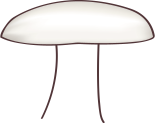
Pileus can reach up to 10 cm in diameter, initially almost globose, eventually becoming flattened with a slightly depressed center. The color, as is common in many Russula species, is quite variable: flesh-pink, but with washes of various tones ranging from brownish to olivaceous, often becoming whitish due to fading. The cuticle is separable for about two-thirds of the pileus and contracts with age, revealing the lamellae at the margin.
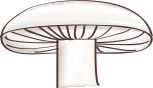
Lamellae adnate to slightly decurrent, fairly crowded, white in color, but may stain ochre with age.
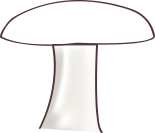
Stipe central, cylindrical, and proportionate to the pileus. White in color and typically attenuated at the base, solid and firm when young, becoming more spongy with age.
Flesh thick and brittle, white in color except beneath the cuticle, where it is pigmented flesh-pink. Odor mild and very pleasant; taste reminiscent of nuts, also pleasant.
Habitat:
Can be found from late spring to early autumn, typically under broadleaf trees. Not very abundant but fairly frequent.
Observations:
In our modest opinion, it is an excellent mushroom for consumption, with a mild flavor and texture similar to Russula cyanoxantha. Russula aurora fruits in the same locations and during the same period; an untrained observer might easily confuse them, but such confusion is not dangerous as it is also edible, albeit of inferior quality. Russula nobilis and the entire emetic group in general may be confused with this species, but their flesh is very acrid.
