
Polyporus umbellatus
Taxonomy
Main synonym
Common names
Not available
Geographic references:
Interactive map with data from GBIF.

Morphological Features:
Fruiting body which as a whole can reach very considerable dimensions, even half a meter on occasion. It consists of a central trunk of dirty white or beige color from which, similarly to Ramaria species, branches diverge in various directions, bearing numerous complete mushrooms with pileus, stipe, and hymenium.
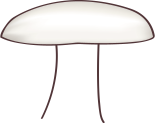
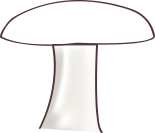
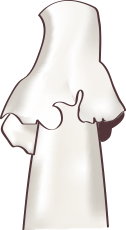
Pileus approximately 4 to 5 cm in diameter, beige in color, smooth or slightly fibrillose, plane and circular, or perhaps weakly depressed, with a very thin margin.
Stipe longer than the pileus diameter, of a similar color or even white, slender and fragile.
Hymenium composed of a series of pores lacking tubes; approximately 1 to 3 pores per mm, white in color.
Flesh scant and delicate, very fragile and white in color; it possesses a mild fungal odor and a slightly bitter taste after prolonged mastication.
Habitat:
Species found on stumps or trunks of broadleaf trees, in this case on oaks. Fruiting from summer to autumn; a very rare species well worth observing.
Observations:
We have tasted it, but its delayed bitterness renders it somewhat mediocre; furthermore, it is a rare species that warrants protection. It resembles Grifola frondosa, which consists of imbricate pilei emerging from a common stipe, rather than clustered independent mushrooms.