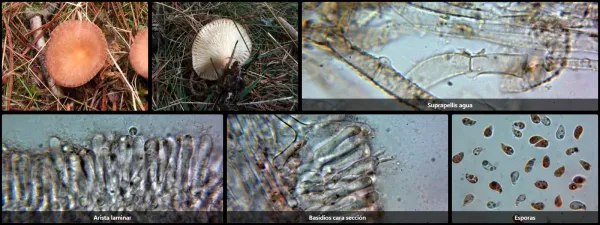

Clitocybe costata
Taxonomy
Main synonym
Common names
Not available
Geographic references:
Interactive map with data from GBIF.


Morphological Features:
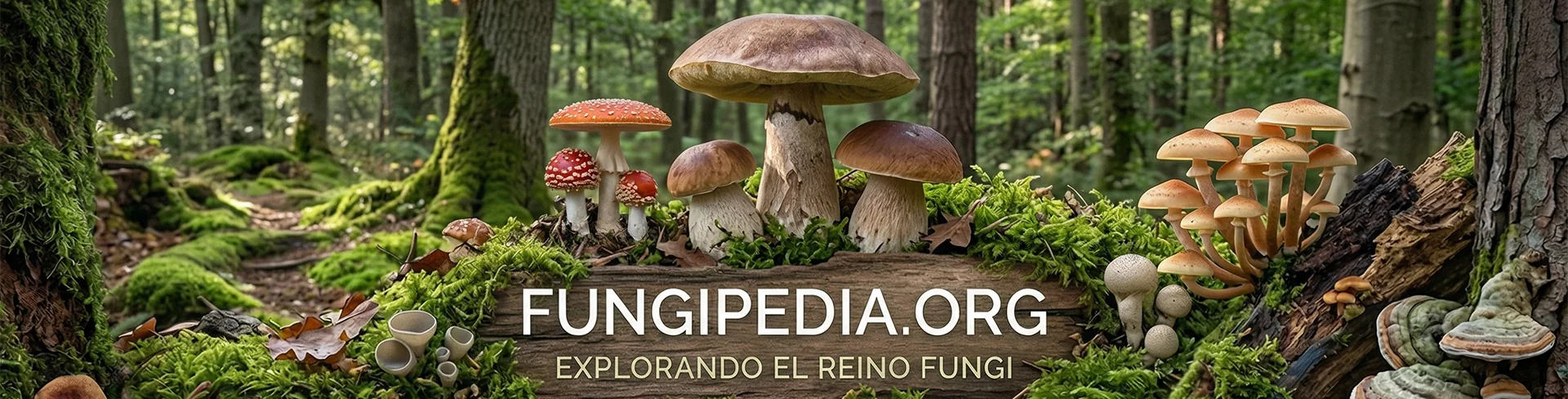
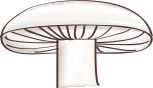
Pileus not very large, up to 4–8 cm in diameter at most, initially plane-concave, later becoming infundibuliform (funnel-shaped), lacking an umbo. Ocher or suede-colored, fairly uniform, with the distinguishing feature being the pileal margin, which exhibits a type of undulation between which distinct radial ridges are visible to the naked eye. The surface is smooth or slightly silky when young.
Lamellae rather crowded, white, and very decurrent on the stipe.
Stipe central, cylindrical and elongated, similar in color to the pileus or slightly paler, fibrillose.
Flesh whitish, moderately firm, more fibrous in the stipe, with a sweet, not unpleasant taste and a fruity odor.
Habitat:
A primarily autumnal species that fruits mainly in coniferous forests, although it may also be found under broadleaf trees. It is much less common than other Clitocybe species within its group.
Observations:
This mushroom is distinguished by its crenulate pileal margin with radial ridges, which separates it from otherwise very similar species, such as Clitocybe gibba, more typical of broadleaf forests; Paralepista flaccida, with a more ochre-leonine pileus; or Bonomyces sinopicus, a species typically found on burned soil or campfire remains. All of these are without culinary value.