
Chroogomphus helveticus
Taxonomy
Main synonym
Common names
Not available
Geographic references:
Interactive map with data from GBIF.


Morphological Features:
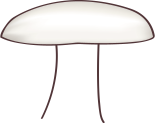
Pileus 5 to 8 cm at maturity; initially globose, then convex, sometimes obtusely umbonate, but completely lacking an umbo. Initially covered with a felty indumentum that tends to disappear due to rain. The cuticle is only viscid in wet weather and is orange with rosy tints.
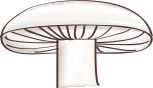
Lamellae very distant and markedly decurrent, similar in color to the pileus but darkening with age to become blackish.
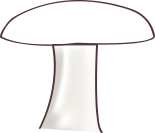
Stipe same color as the rest of the fruitbody, generally quite dry, attenuated at the base to the point of being almost radicate in some cases. Its cortinate zone is practically imperceptible. Yellows upon handling.
Flesh orange in color, though yellowish at the stipe base, not very firm nor thick, with a mild fruity odor and a sweet, not unpleasant taste.
Habitat:
A species exclusive to conifers, appearing in autumn. Not a very frequent species, but where it occurs, it does so in considerable numbers.
Observations:
A species without culinary value that may bear a certain resemblance to Chroogomphus rutilus, from which it differs by its lower viscosity, the absence of an umbo, and the uniform orange-rosy color of the entire fruitbody. Even more vividly colored is Chroogomphus fulmineus, a thermophilous species of Mediterranean climates.