Suillellus queletii
(Schulzer) Vizzini, Simonini & Gelardi
Study description
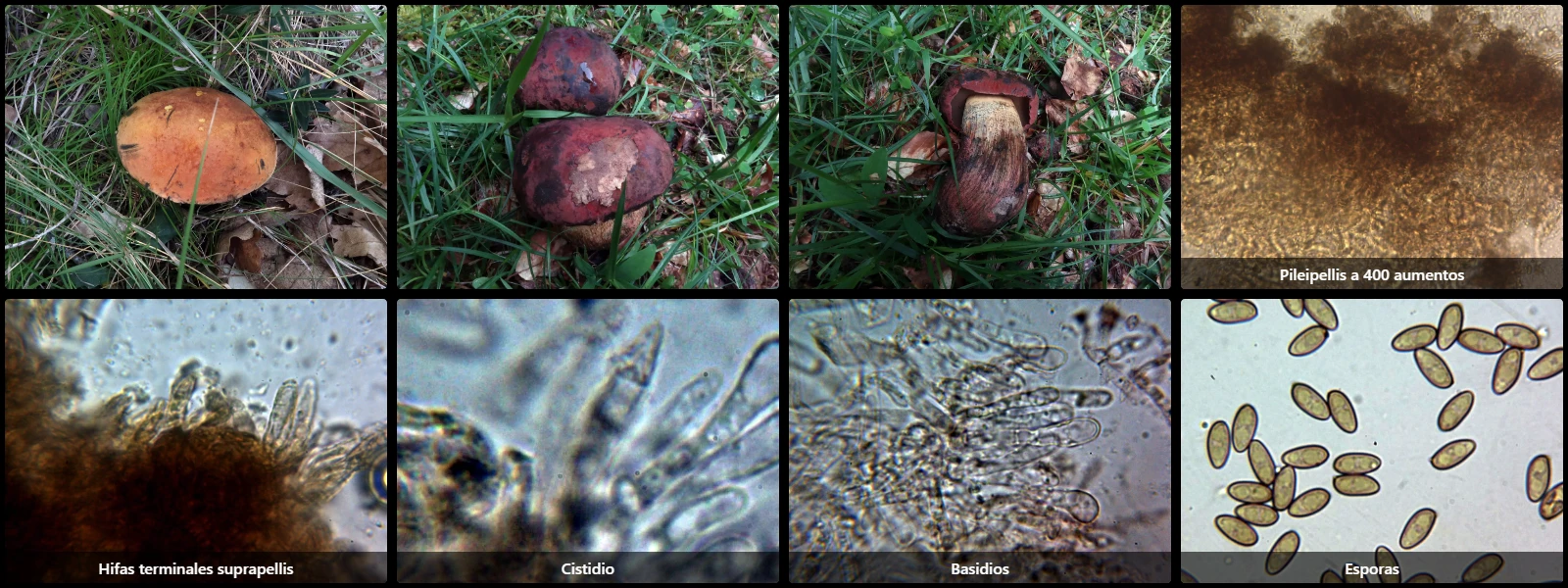
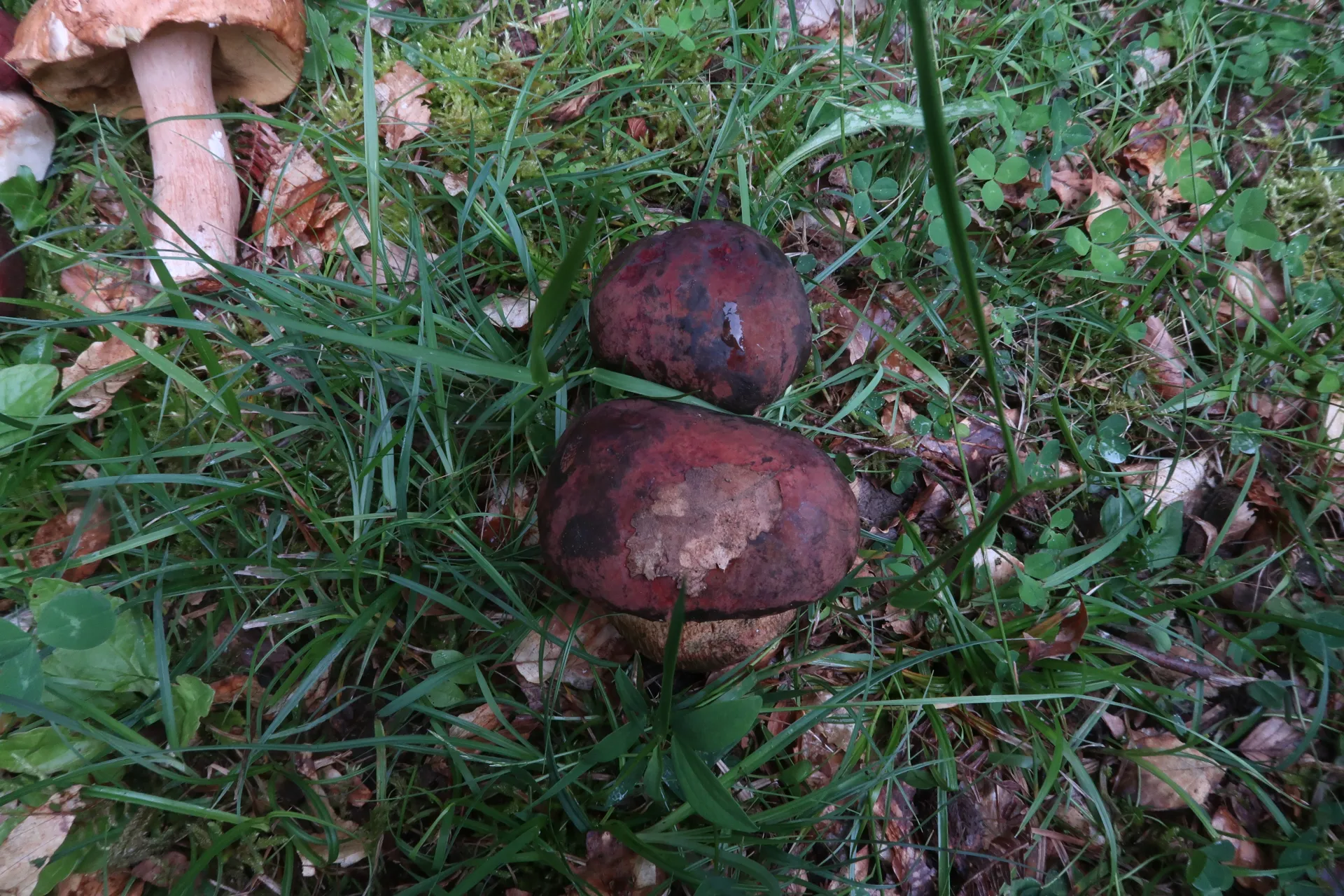
A species typical of broadleaved woodlands, such as Quercus or Carpinus, with a convex to flattened cap, 5 to 15 cm in diameter, reddish-brown to dark carmine, with orange pores, a cylindrical stipe with reddish punctation, yellow at the apex and vinaceous red at the base, with flesh turning slightly blue on cutting, with a fungal odour and sweet, slightly acidic taste.
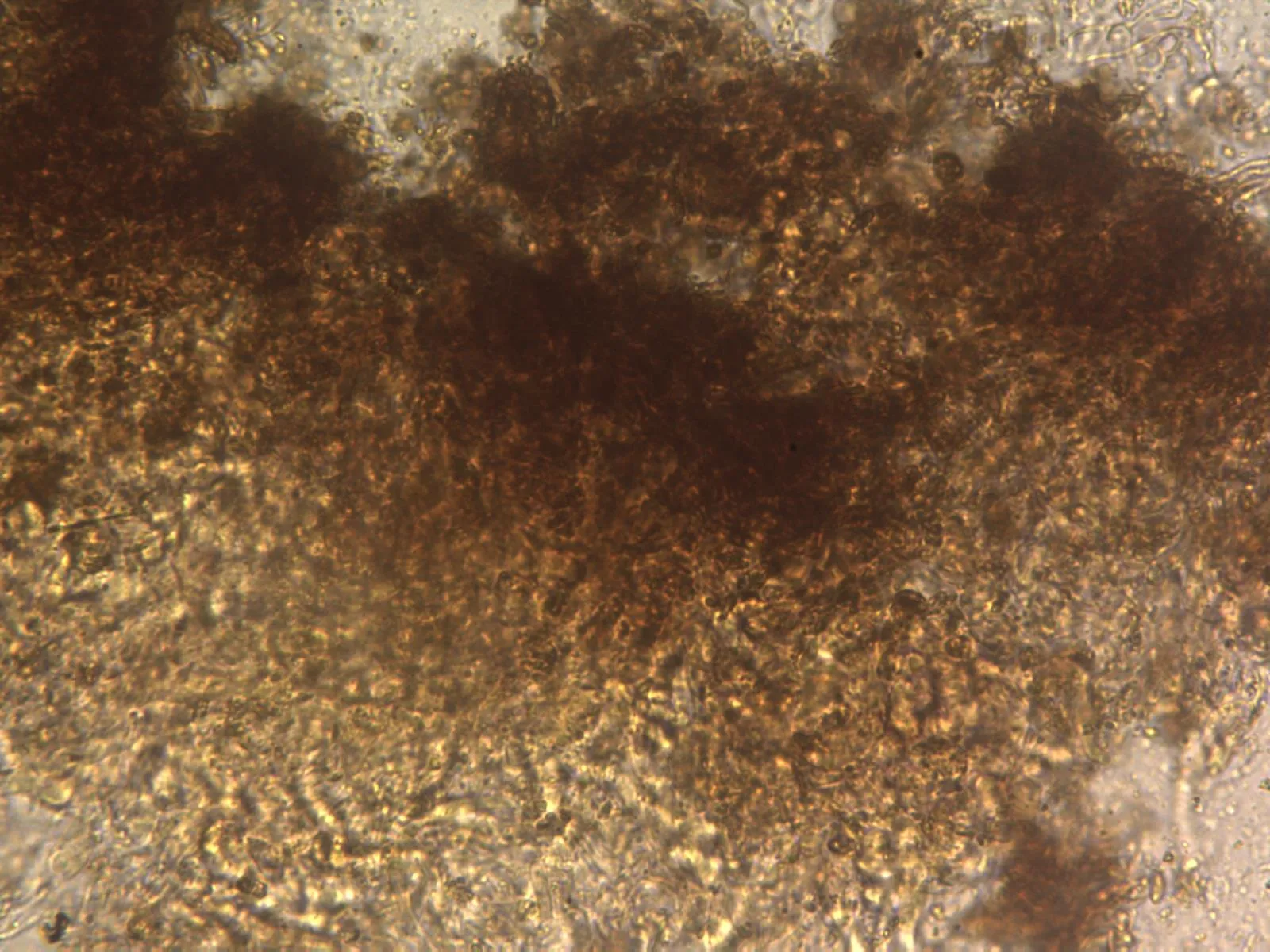
Pileipellis composed of filamentous hyphae, arranged parallel to slightly interwoven, 4 to 8 µm thick, with pale brown intracellular pigment, with abundant emergent cylindrical to fusiform terminal cells with rounded ends, septate and with simple septa.
Cheilocystidia and pleurocystidia clavate to fusiform, 30 to 45 µm long, 8 to 11 µm wide, hyaline or with faint yellowish pigment inside.
Basidia clavate, 20 to 35 µm long, 10 to 12 µm wide, lacking basal clamps, 2- or 4-spored.
Spores cylindrical-ellipsoidal, smooth, thick-walled, yellowish-brown under the microscope, 10 to 12 µm long, 5 to 6 µm wide, with a minute eccentric apiculus at one end, and containing oil droplets (guttules) inside.
Geographic references
Map generated from global occurrence data from GBIF. GBIF.
Study measurements
Values in Microns (µm)Macroscopic gallery
Microscopic gallery