


Mitrula paludosa
Fr.
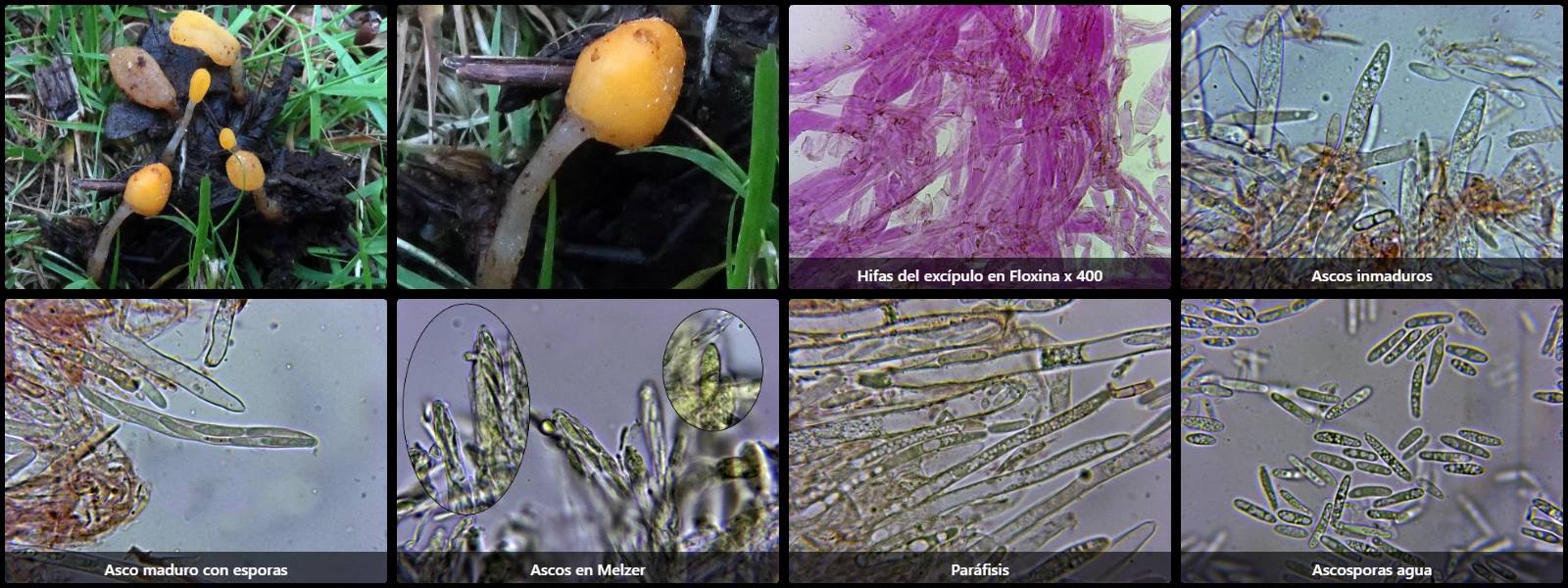
Study description
General: Bog beacon, growing on decaying plant debris in mires and peat bogs, club-shaped, up to 6 cm high, head bright yellow to orange, stipe white, flesh fragile, odor and taste indistinct.
Excipulum: Inner tissue composed of cylindrical, elongated, septate hyaline hyphae 8-15 µm wide.
Asci: Cylindrical, 8-spored, 100-150 x 6-9 µm, biseriate to irregular, apical apparatus amyloid in Melzer's reagent.
Paraphyses: Filiform, smooth, hyaline, septate, branched, 1.5-2 µm wide, apices slightly swollen to 3 µm, slightly projecting above asci.
Ascospores: Cylindrical to fusiform, smooth, hyaline, thin-walled, 10-18 x 2.2-3.5 µm, typically developing a median septum at maturity, containing oil droplets.
Excipulum: Inner tissue composed of cylindrical, elongated, septate hyaline hyphae 8-15 µm wide.
Asci: Cylindrical, 8-spored, 100-150 x 6-9 µm, biseriate to irregular, apical apparatus amyloid in Melzer's reagent.
Paraphyses: Filiform, smooth, hyaline, septate, branched, 1.5-2 µm wide, apices slightly swollen to 3 µm, slightly projecting above asci.
Ascospores: Cylindrical to fusiform, smooth, hyaline, thin-walled, 10-18 x 2.2-3.5 µm, typically developing a median septum at maturity, containing oil droplets.
Geographic references
Map generated from global occurrence data from GBIF. GBIF.
Study measurements
Values in Microns (µm)Macroscopic gallery
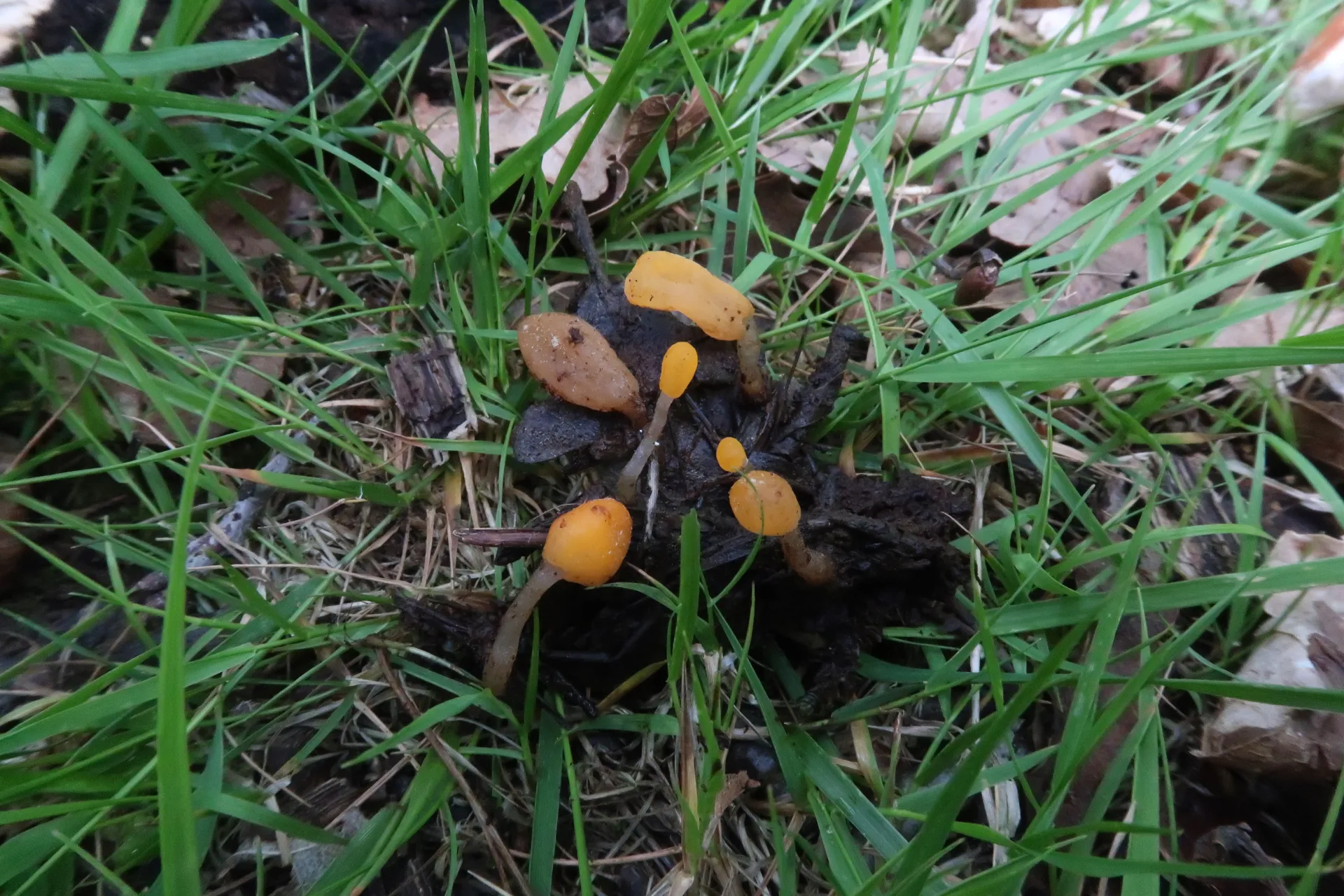
1 / 4Mitrula paludosa - 1 - IMG_3300
Microscopic gallery
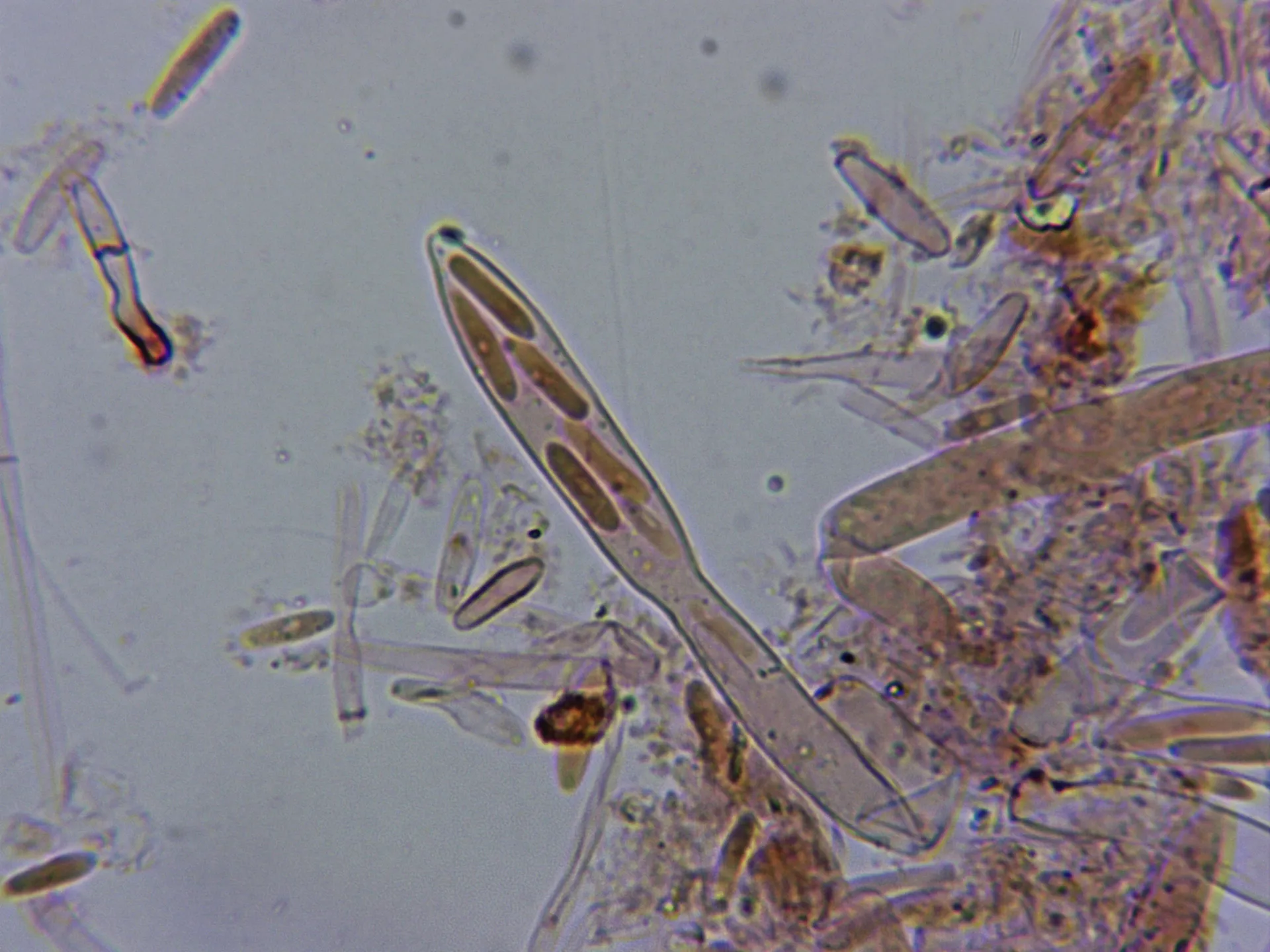
1 / 15Mitrula paludosa - 10 - Asca