Russula anthracina
Romagn.
Study description
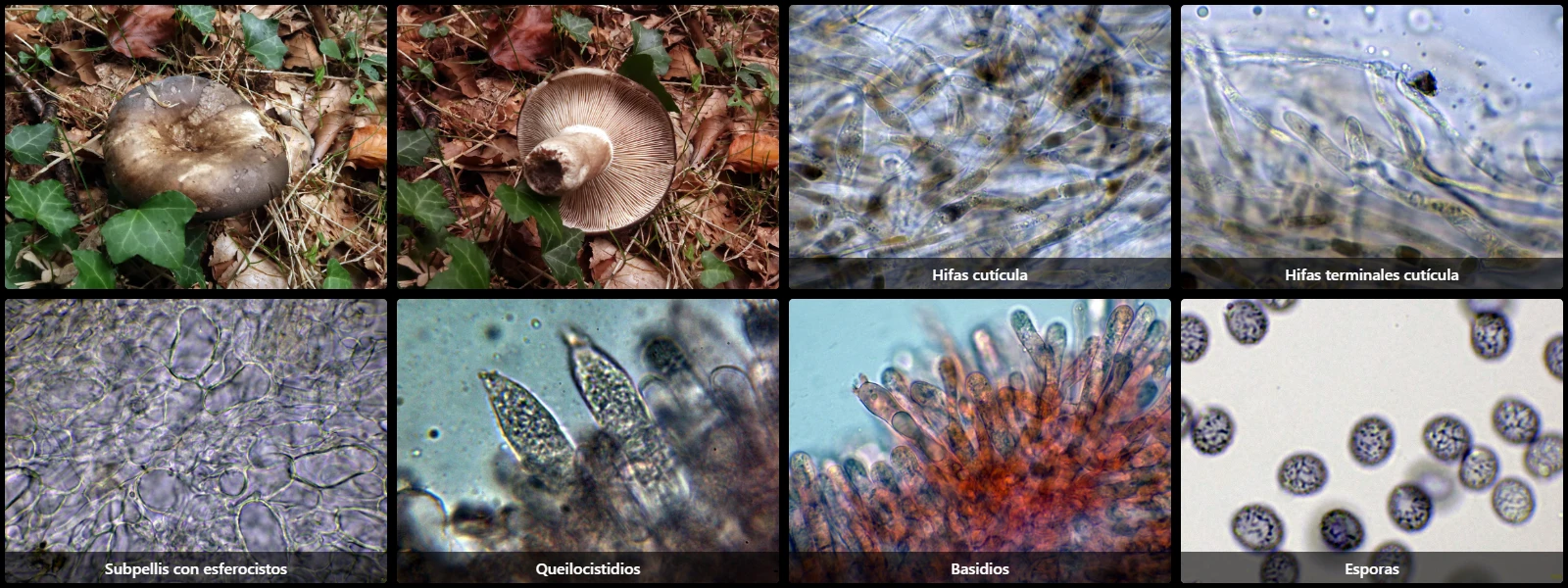
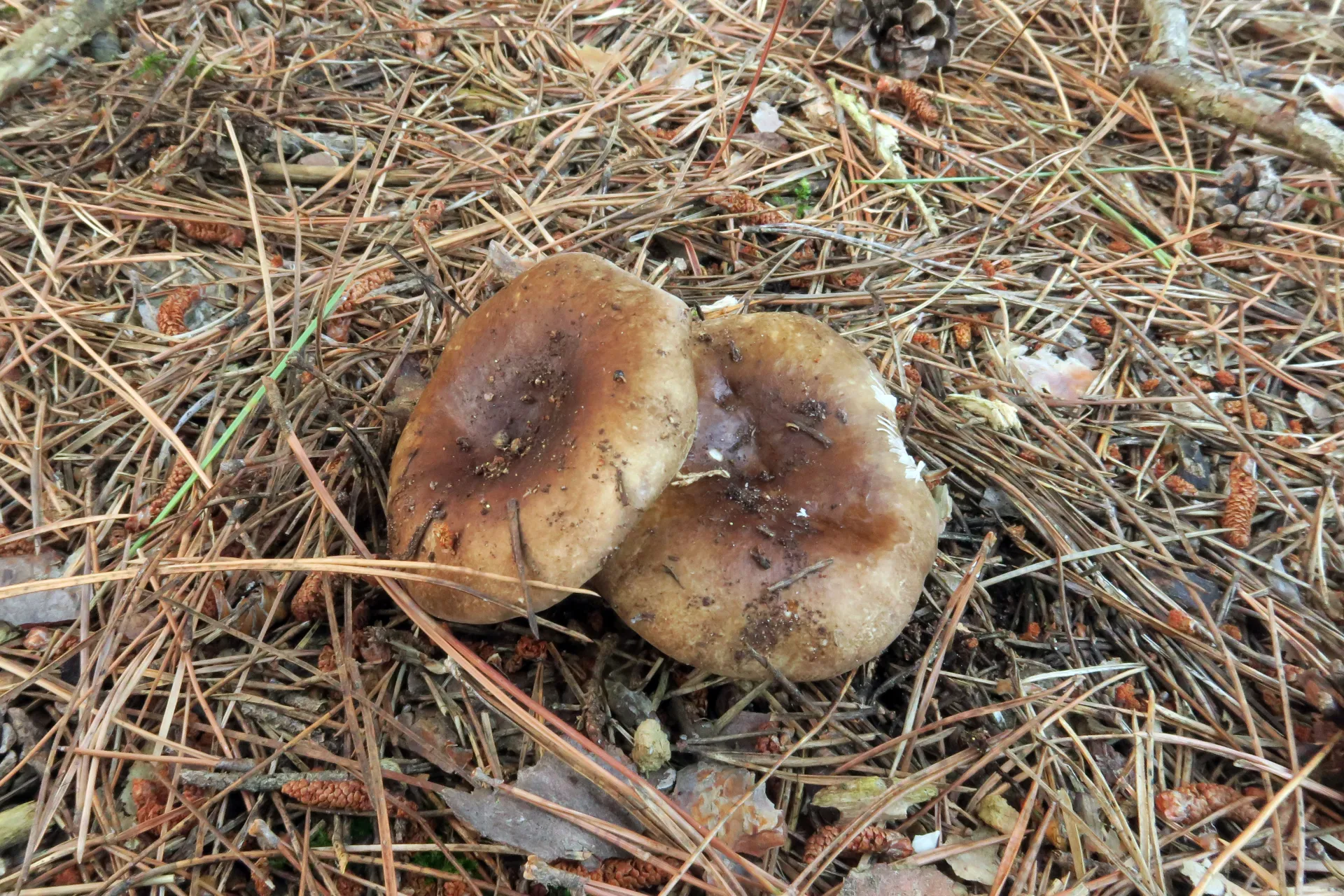
Species typical of both broadleaves and conifers, with a preference for Fagus, with a hemispherical to applanate pileus depressed at the center, 5 to 8 cm in diameter, blackish brown; white spore print; greyish-brown stipe darkening upon handling; fruity odor and mild taste.
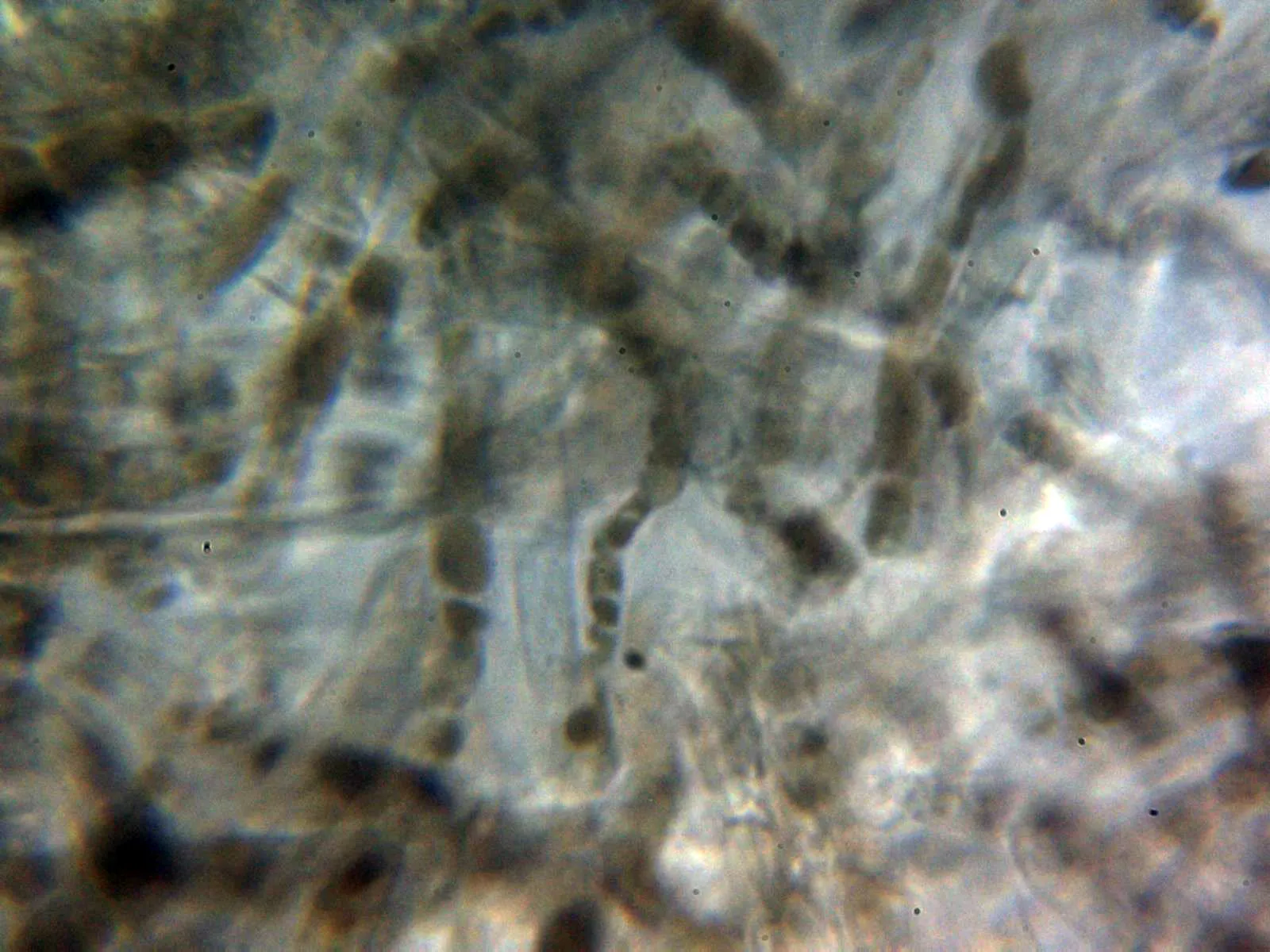
Cuticle formed by cylindrical hyphae, slightly interwoven, 4 to 8 µm wide, with emergent hair-like terminal elements containing abundant brown intracellular pigment, septate with simple septa.
Cheilocystidia fusiform, with an apical appendage, 50 to 60 µm long and 5.5 to 7 µm wide.
Pleurocystidia scattered, of similar morphology to cheilocystidia, 55 to 90 µm long and 6 to 8 µm wide.
Basidia clavate, 35 to 55 µm long, 7 to 10 µm wide, simple-based, bearing two or four sterigmata (two- or four-spored).
Spores ellipsoidal, with warts up to 0.4 µm high, 7.5 to 10 µm long, 7 to 8 µm wide, ornamented over their entire surface with warts connecting into ridges, but not forming a complete reticulum.
Herbarium material available: JTP2620/25.
Geographic references
Map generated from global occurrence data from GBIF. GBIF.
Study measurements
Values in Microns (µm)Macroscopic gallery
Microscopic gallery