Pyrenophora polytricha
Sousa da Câmara
Study description
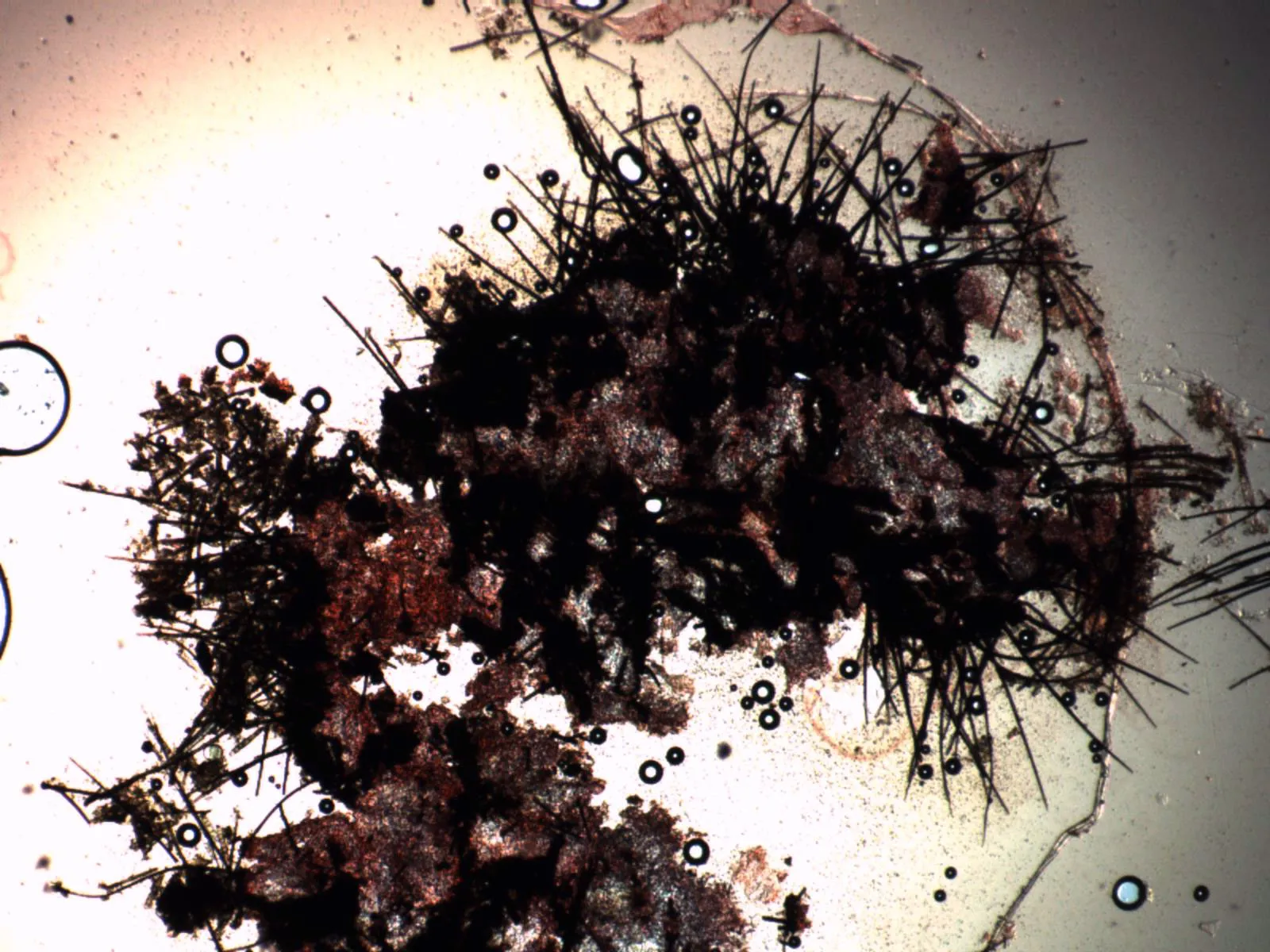
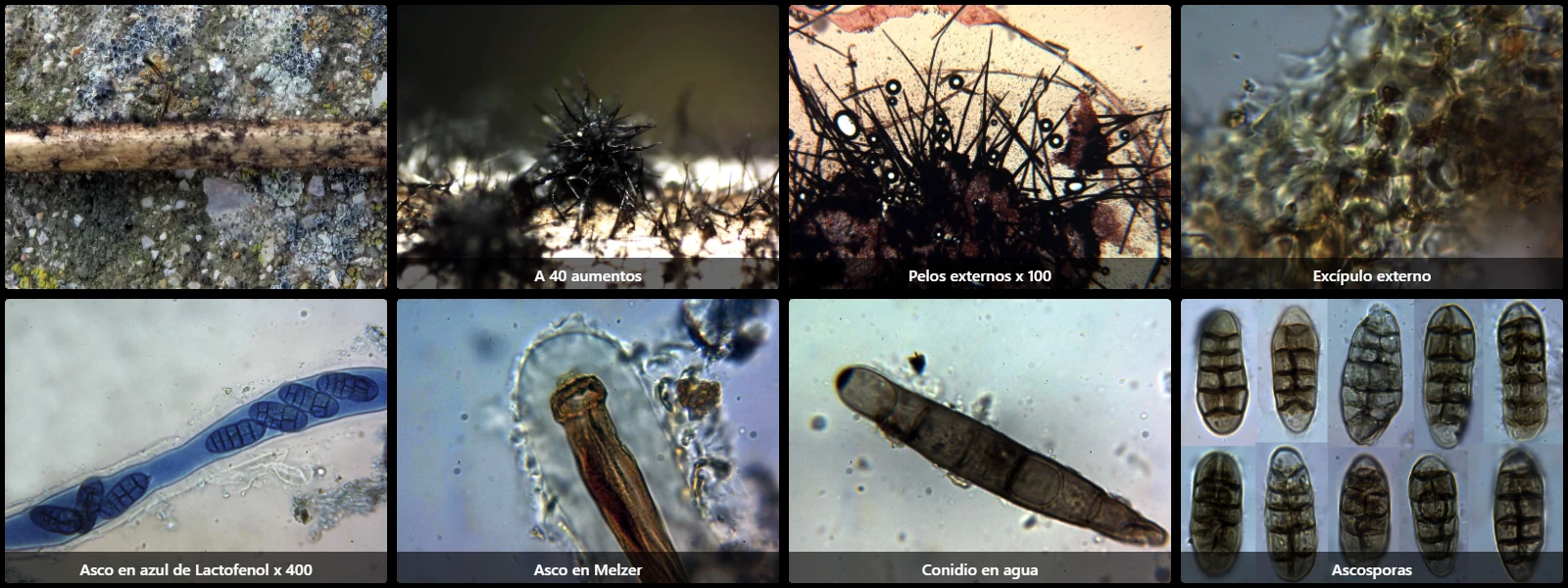
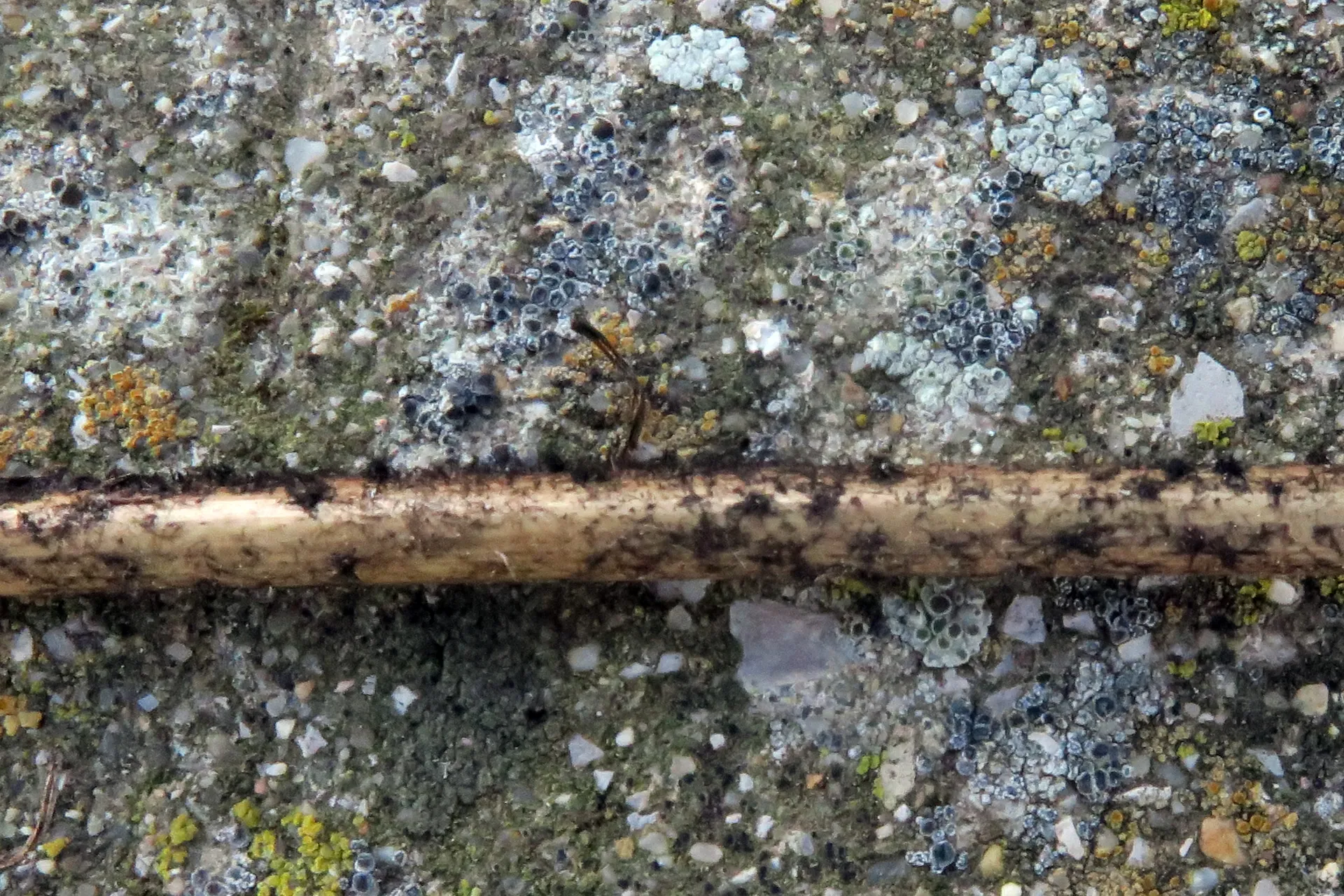
A minute ascomycete occurring on decaying grass culms on the ground, with globose, black perithecia featuring a very hirsute surface covered with thick bristle-like setae, and measuring only 0.25 to 0.50 mm in diameter.
Anamorph belonging to the genus Drechslera, with simple, unbranched, septate, brown conidiophores, geniculate towards the apex, 8 to 11 µm wide.
Conidia cylindrical with rounded ends, with 4 to 8 transverse septa depending on maturity, 75 to 105 µm long, 13 to 17 µm wide, containing abundant brownish-olivaceous intracellular pigment.
Teleomorph with an outer peridium of polyhedral to angular cells 10 to 25 µm long and 8 to 20 µm wide, filled with blackish intracellular pigment, subtended by identical but hyaline cells.
External setae rigid, black, thick-walled, 150 to 240 µm long and averaging 6 to 10 µm in width.
Asci cylindrical to clavate, 8-spored, bitunicate, 190 to 245 µm long, 35 to 45 µm wide, uniseriate to obliquely uniseriate (slightly overlapping), inamyloid in Melzer's reagent.
Ascospores cylindrical-ellipsoidal to oblong with rounded ends, yellowish-green under the microscope with paler hyaline apices, 50 to 65 µm long, 20 to 26 µm wide, with five transverse septa and one to three longitudinal septa (muriform).
Geographic references
Map generated from global occurrence data from GBIF. GBIF.
Study measurements
Values in Microns (µm)Macroscopic gallery
Microscopic gallery