Pluteus longistriatus
(Peck) Peck
Study description
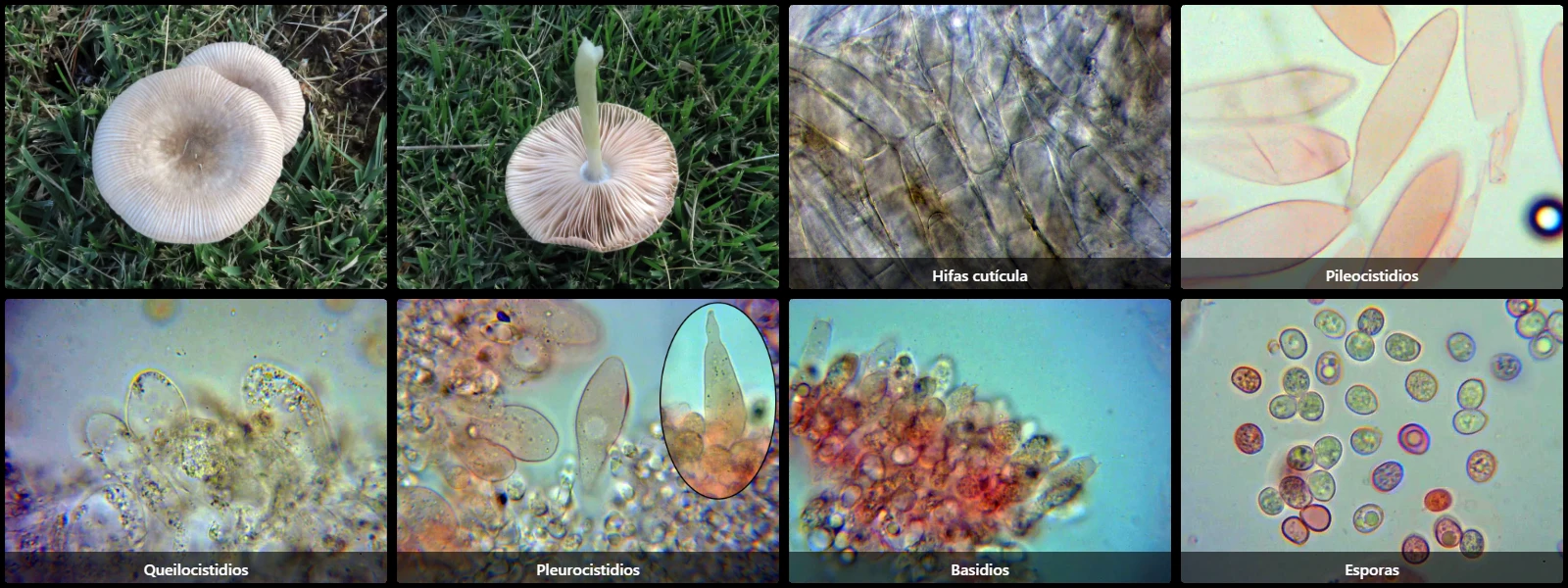
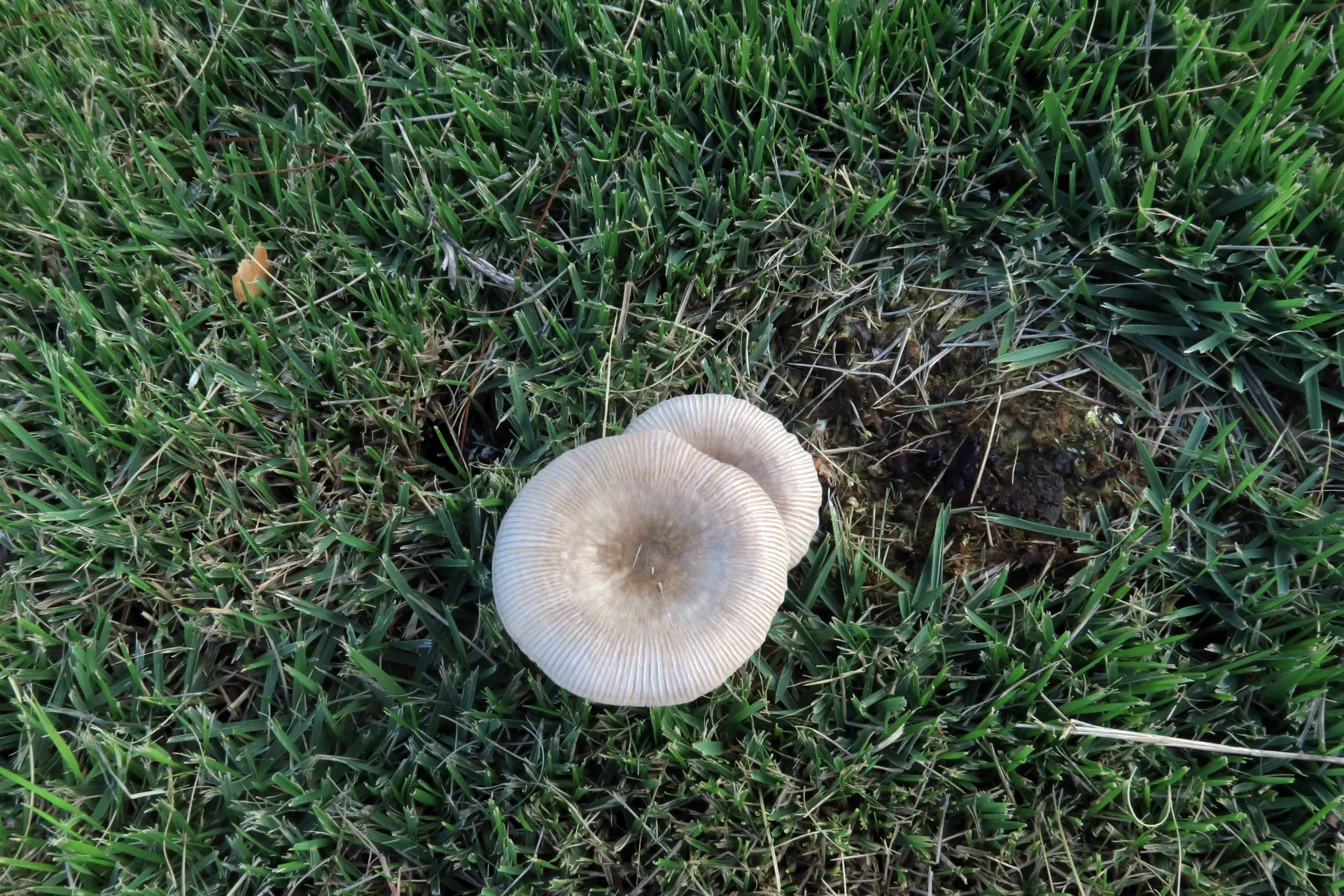
A species occurring on decaying wood of broadleaved trees, with a convex to flattened pileus 2 to 4.5 cm in diameter, brownish-grey, characterized as its name suggests by long radial sulcations extending from the margin almost to the disc, free white to pink lamellae, a slender, cylindrical, smooth whitish stipe, without distinct odour, and insipid taste.
Pileipellis a cutis of parallel hyphae 8 to 12 µm wide containing brown intracellular pigment, simple-septate, bearing emergent cylindrical to fusiform cells up to 25 µm wide with rounded apices.
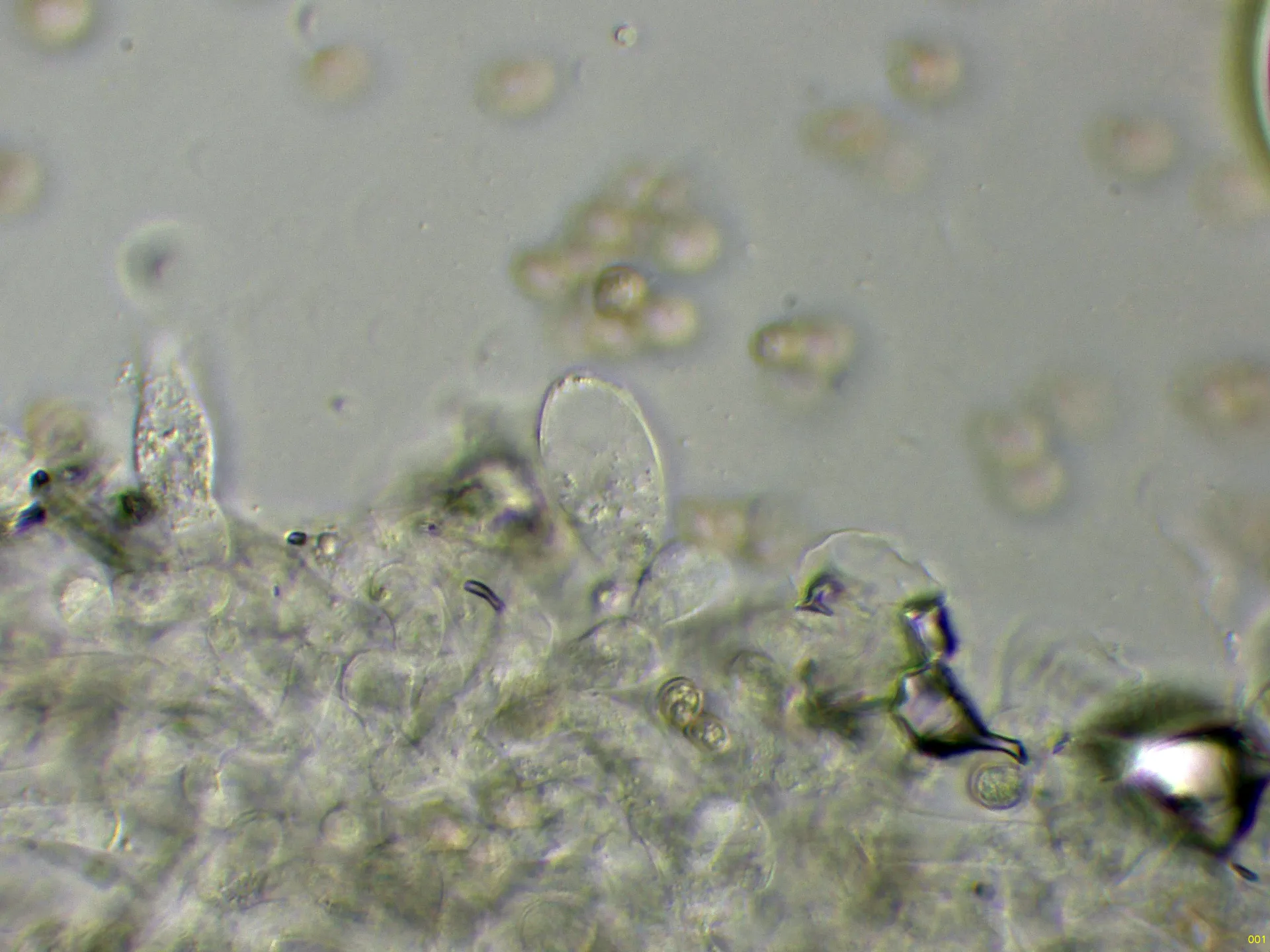
Cheilocystidia cylindrical to clavate, 30 to 50 µm long and 10 to 20 µm wide.
Pleurocystidia lageniform to utriform, thin-walled, 50 to 80 µm long and 15 to 30 µm wide.
Basidia cylindrical to clavate, 20 to 35 µm long, 6 to 8 µm wide, simple-septate at the base, 4-spored.
Spores subglobose to ellipsoidal, smooth, hyaline, thin-walled, 5 to 7 µm long, 4 to 6 µm wide, lacking an evident apiculus, containing small oil guttules, inamyloid in Melzer's reagent.
Herbarium material available: JTP2167/24.
Geographic references
Map generated from global occurrence data from GBIF. GBIF.
Study measurements
Values in Microns (µm)Macroscopic gallery
Microscopic gallery