


Marasmius cohaerens
(Pers.) Cooke & Quél.
Study description
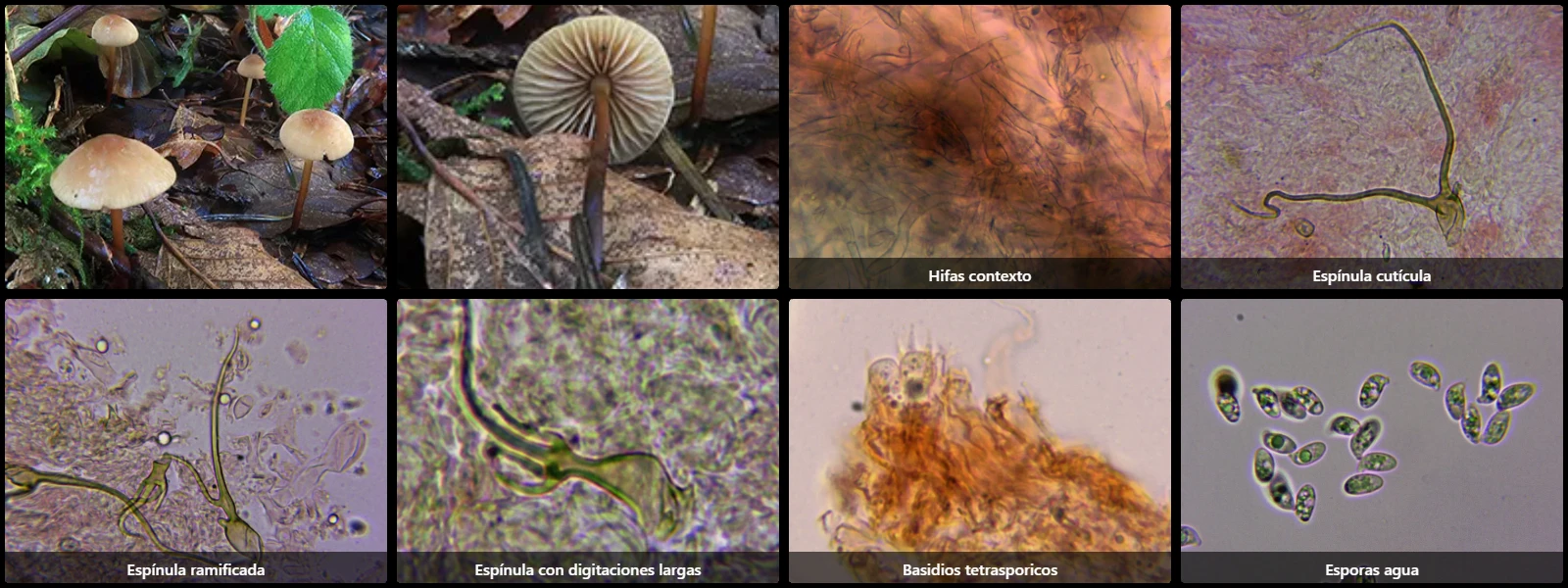
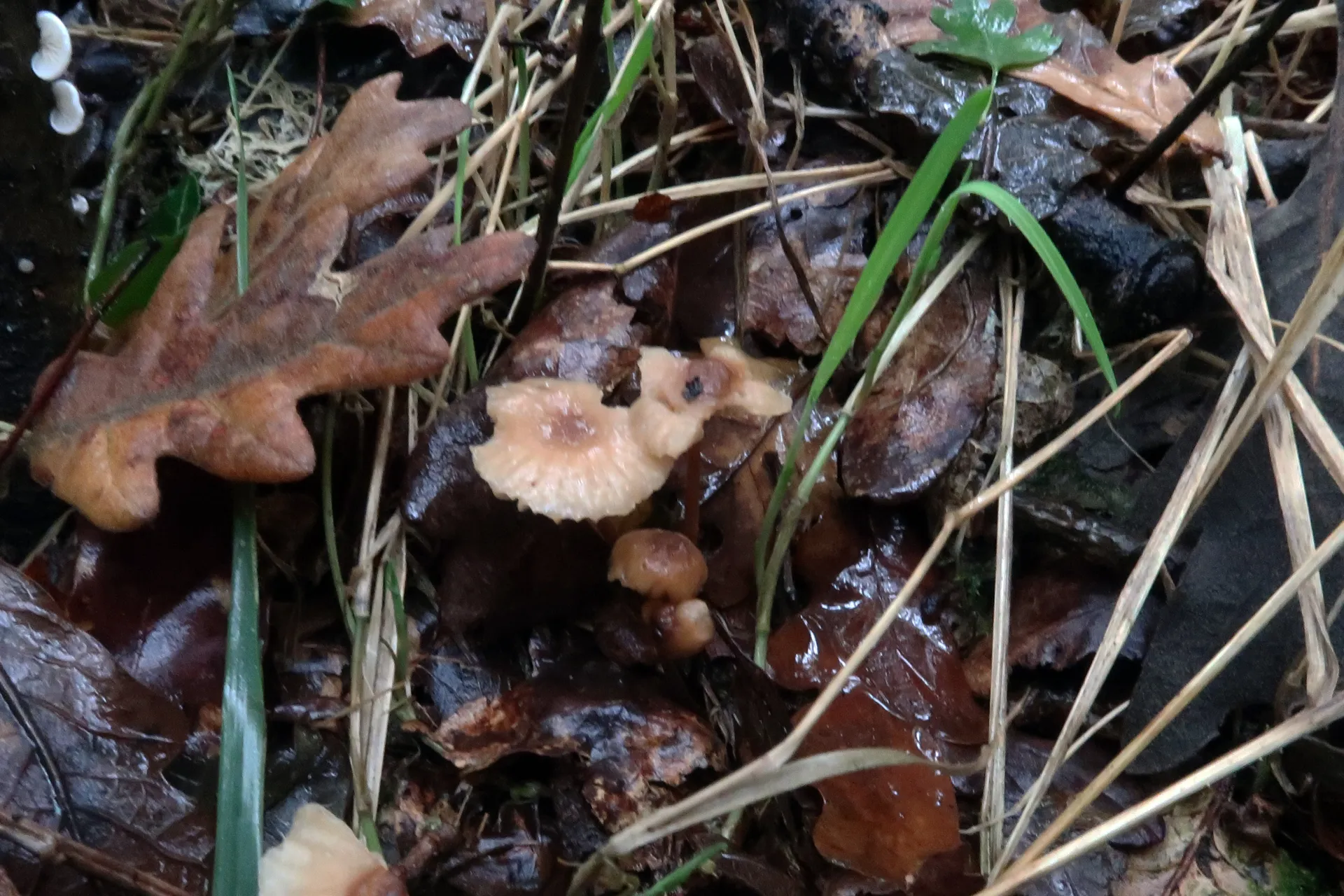
General: Occurring on leaf litter or fallen twigs in beech or evergreen oak woods (rarely conifers), pileus 2-4 cm diam., pale brown, darker at the center, lamellae thick and distant, stipe horny, hollow, cream above and dark reddish-brown below.
Pileipellis: Hymeniderm of clavate cells 20-30 x 4-10 µm, interspersed with thick-walled brown setae/spinules up to 100 x 10 µm, crown-branched.
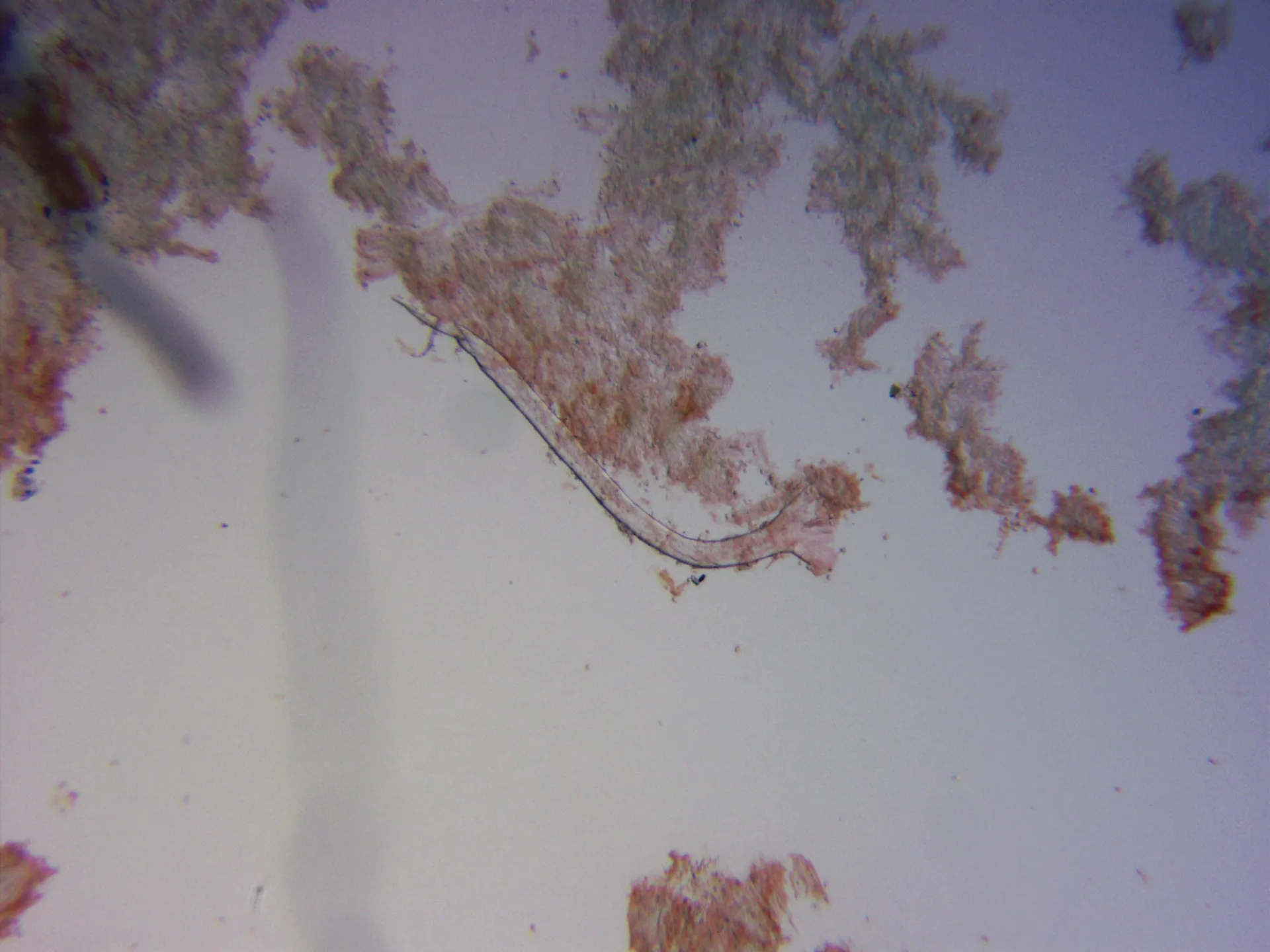
Pleurocystidia / Hymenial setae: Lamellar faces bearing thick-walled brown spinules/setae, simple, 40-100 x 4-17 µm.
Lamellar trama: Irregular.
Basidia: Clavate, 25-30 x 6-8 µm, with basal clamp connections, 4-spored.
Spores: Ellipsoid to amygdaliform, smooth, hyaline, thin-walled, 7.5-9.5 x 4-5 µm, pointed at lateral apiculus, containing lipid guttules.
Pileipellis: Hymeniderm of clavate cells 20-30 x 4-10 µm, interspersed with thick-walled brown setae/spinules up to 100 x 10 µm, crown-branched.
Pleurocystidia / Hymenial setae: Lamellar faces bearing thick-walled brown spinules/setae, simple, 40-100 x 4-17 µm.
Lamellar trama: Irregular.
Basidia: Clavate, 25-30 x 6-8 µm, with basal clamp connections, 4-spored.
Spores: Ellipsoid to amygdaliform, smooth, hyaline, thin-walled, 7.5-9.5 x 4-5 µm, pointed at lateral apiculus, containing lipid guttules.
Geographic references
Map generated from global occurrence data from GBIF. GBIF.
Study measurements
Values in Microns (µm)Macroscopic gallery
1 / 3Marasmius cohaerens - 1 - IMG_1897
Microscopic gallery
1 / 11Marasmius cohaerens - 10 - Cistidio laminar x 100