


Lepiota oreadiformis
Velen.
Study description
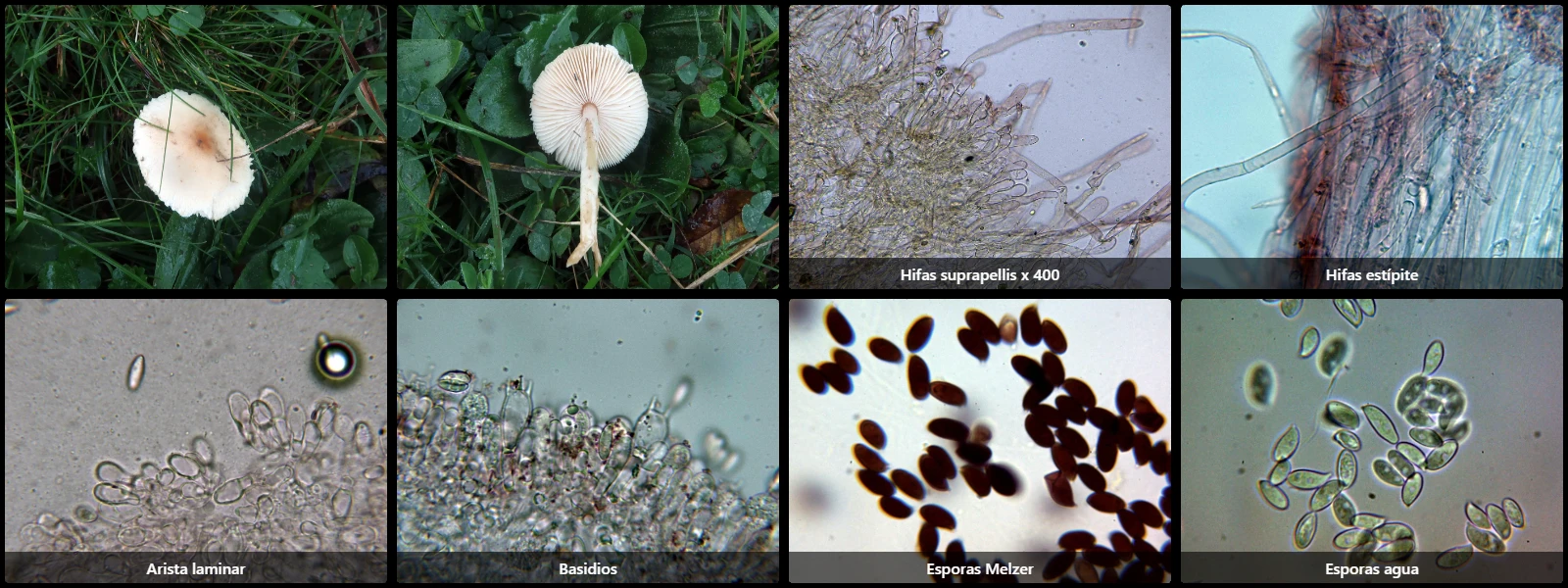
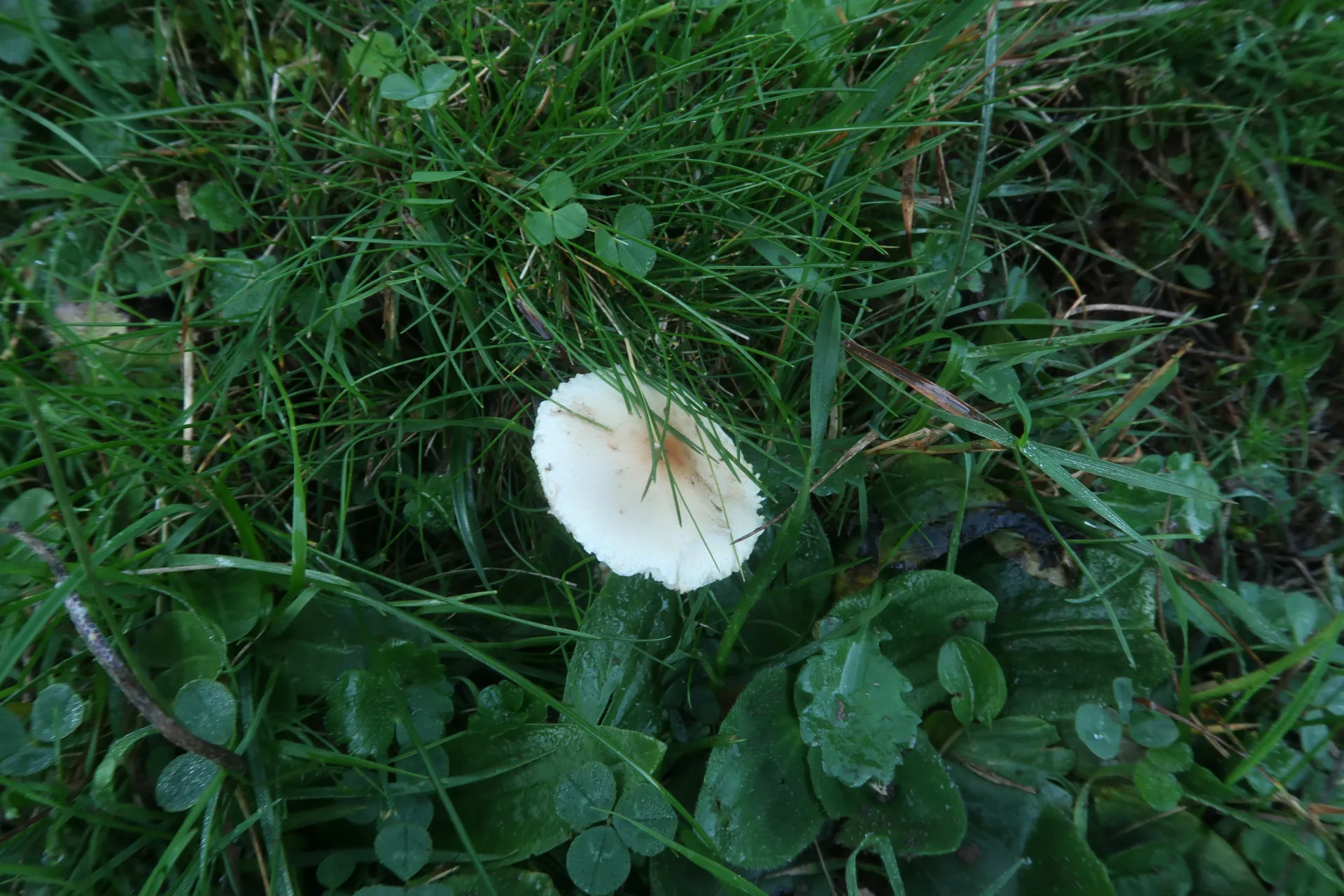
General: Typical of montane pastures and grasslands, fruiting among grasses, with an ochraceous pileus that is darker at the disc, and an insipid taste.
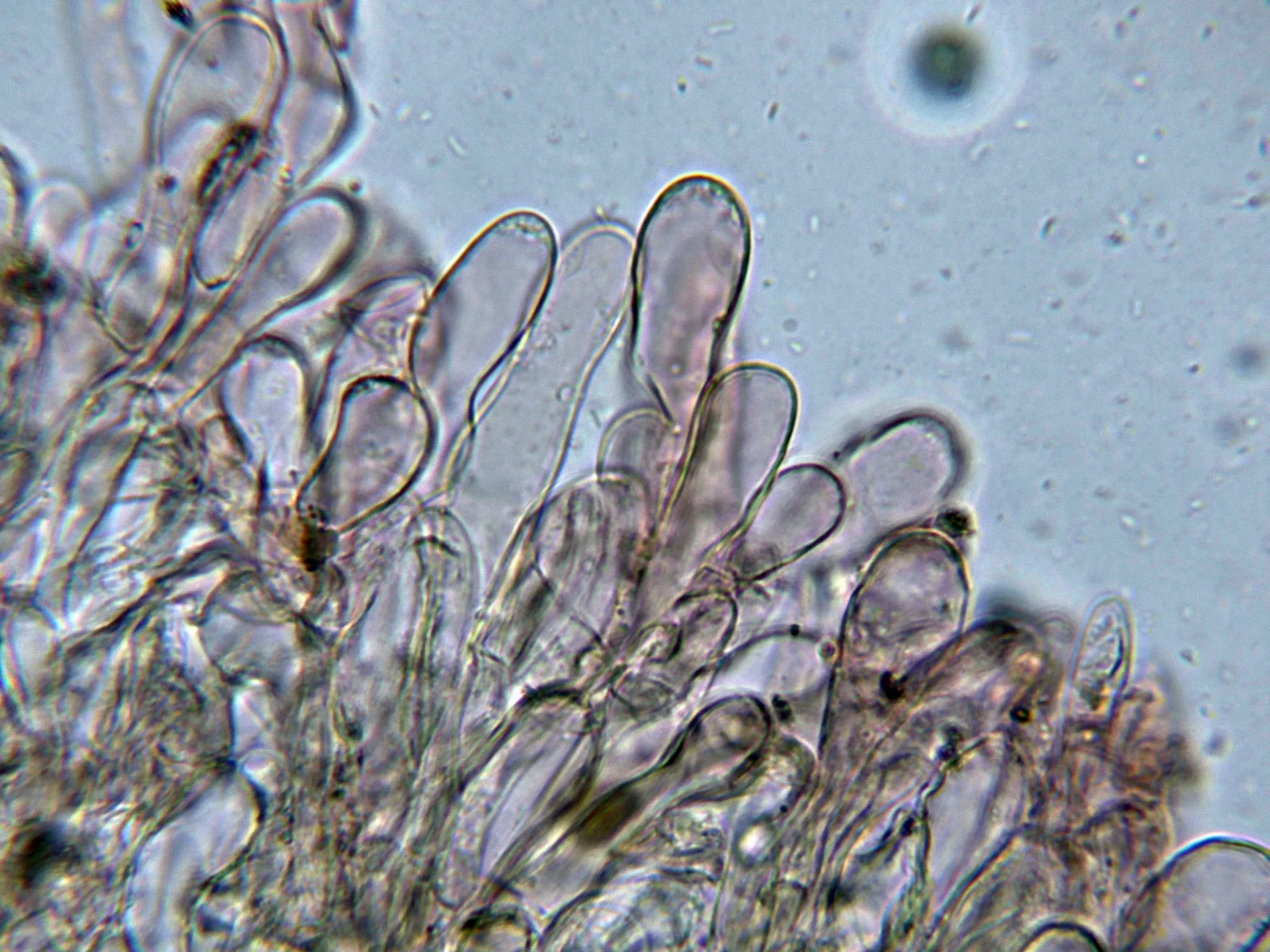
Pileipellis: Trichoderm of cylindrical emergent terminal hyphae 40-200 x 5-11 µm with pale brown intracellular pigment, accompanied at the base by shorter clavate elements, all septate with clamp connections.
Cheilocystidia: Clavate, inconspicuous, 18-35 x 8-12 µm.
Pleurocystidia: Absent.
Basidia: Clavate, 25-35 x 7-12 µm, with basal clamp connections, 4-spored.
Spores: Ellipsoid to fusiform, smooth, moderately thick-walled, pointed at the apicular end, 10-15 x 4.5-6 µm, containing one or more oil guttules, dextrinoid in Melzer's reagent.
Pileipellis: Trichoderm of cylindrical emergent terminal hyphae 40-200 x 5-11 µm with pale brown intracellular pigment, accompanied at the base by shorter clavate elements, all septate with clamp connections.
Cheilocystidia: Clavate, inconspicuous, 18-35 x 8-12 µm.
Pleurocystidia: Absent.
Basidia: Clavate, 25-35 x 7-12 µm, with basal clamp connections, 4-spored.
Spores: Ellipsoid to fusiform, smooth, moderately thick-walled, pointed at the apicular end, 10-15 x 4.5-6 µm, containing one or more oil guttules, dextrinoid in Melzer's reagent.
Geographic references
Map generated from global occurrence data from GBIF. GBIF.
Study measurements
Values in Microns (µm)Macroscopic gallery
1 / 5Lepiota oreadiformis - 1 - IMG_9980
Microscopic gallery
1 / 22Lepiota oreadiformis - 10 - Suprapellis-001