


Lactarius tabidus
Fr.
Study description
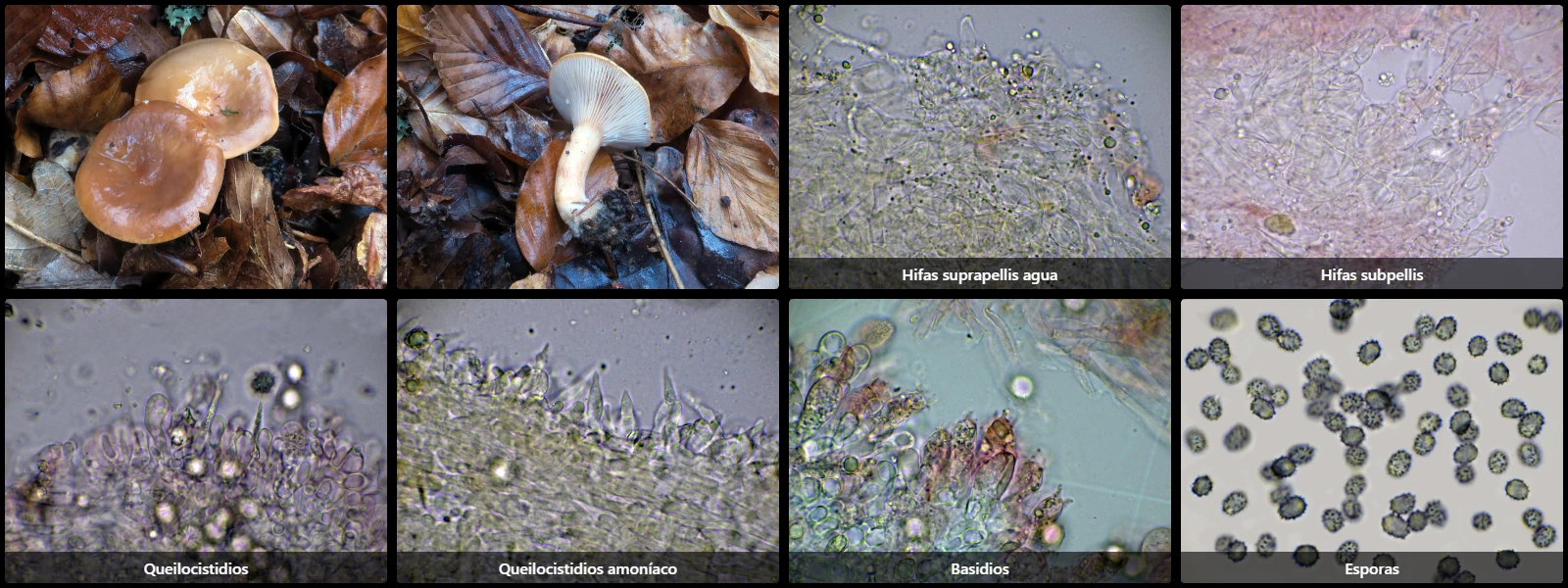
General: Associated with Betula and Quercus, with a viscid orange-brown pileus, white latex slowly turning yellow upon contact with white tissue/paper, and a mild to slightly bitter, astringent taste.
Pileipellis: Composed of globose to vesiculose cells 10-20 µm in diameter, producing emergent filamentous septate hyphae 4-6 µm wide.
Cheilocystidia: Very abundant, fusiform to slightly sinuous, with sharply pointed apices, 30-40 x 4-6 µm, containing granular contents.
Pleurocystidia: Scarce, fusiform, 30-80 x 6-10 µm.
Basidia: Cylindric-clavate, 35-45 x 8-11 µm, 2- or 4-spored.
Spores: Ornamented with isolated warts connecting into very short ridges up to 1.3 µm high, weakly interconnected, with a hyaline apiculus, amyloid in Melzer's reagent.
Herbarium voucher: JTP2667/25.
Pileipellis: Composed of globose to vesiculose cells 10-20 µm in diameter, producing emergent filamentous septate hyphae 4-6 µm wide.
Cheilocystidia: Very abundant, fusiform to slightly sinuous, with sharply pointed apices, 30-40 x 4-6 µm, containing granular contents.
Pleurocystidia: Scarce, fusiform, 30-80 x 6-10 µm.
Basidia: Cylindric-clavate, 35-45 x 8-11 µm, 2- or 4-spored.
Spores: Ornamented with isolated warts connecting into very short ridges up to 1.3 µm high, weakly interconnected, with a hyaline apiculus, amyloid in Melzer's reagent.
Herbarium voucher: JTP2667/25.
Geographic references
Map generated from global occurrence data from GBIF. GBIF.
Study measurements
Values in Microns (µm)Macroscopic gallery
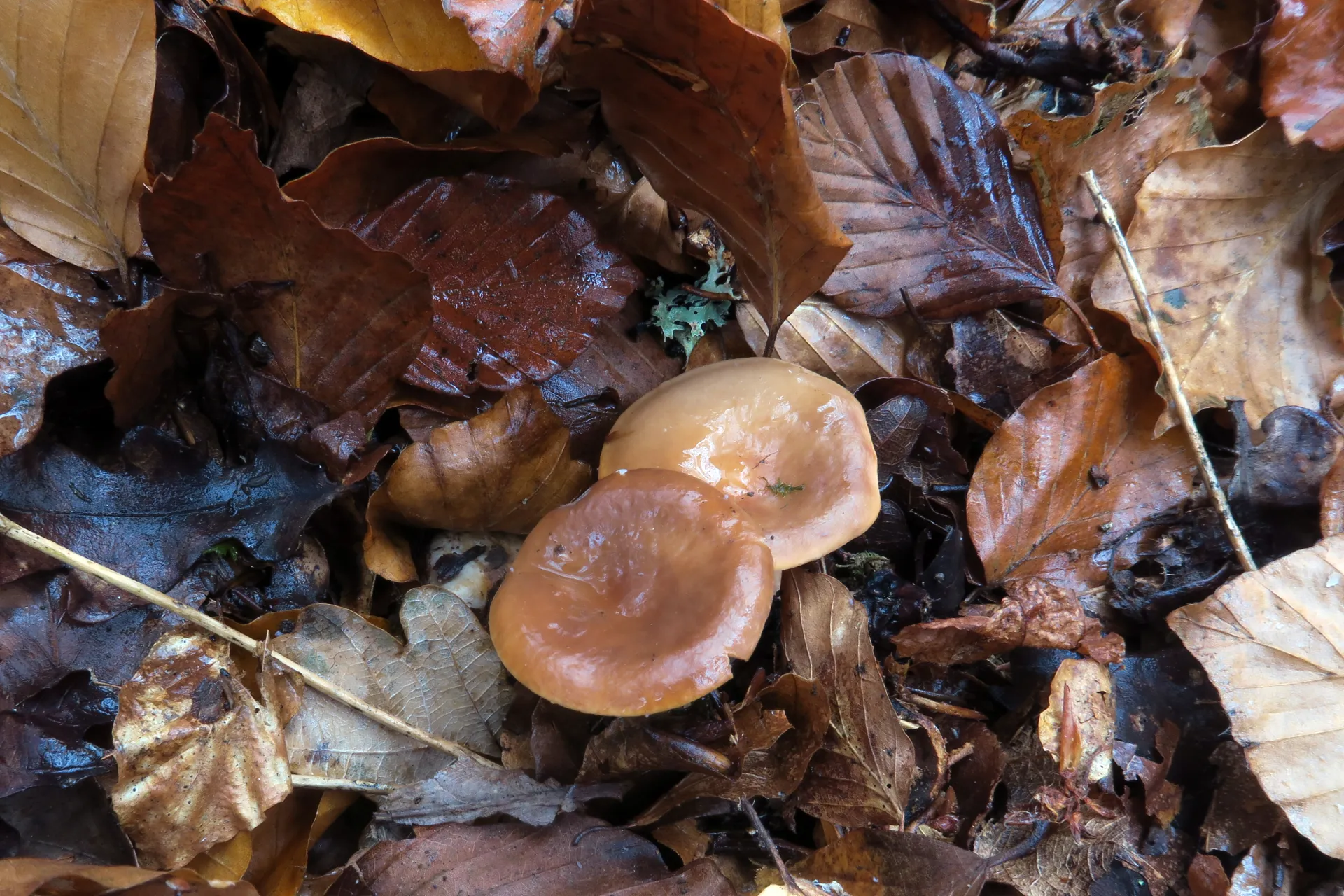
1 / 3Lactarius tabidus - 1 - IMG_4698
Microscopic gallery
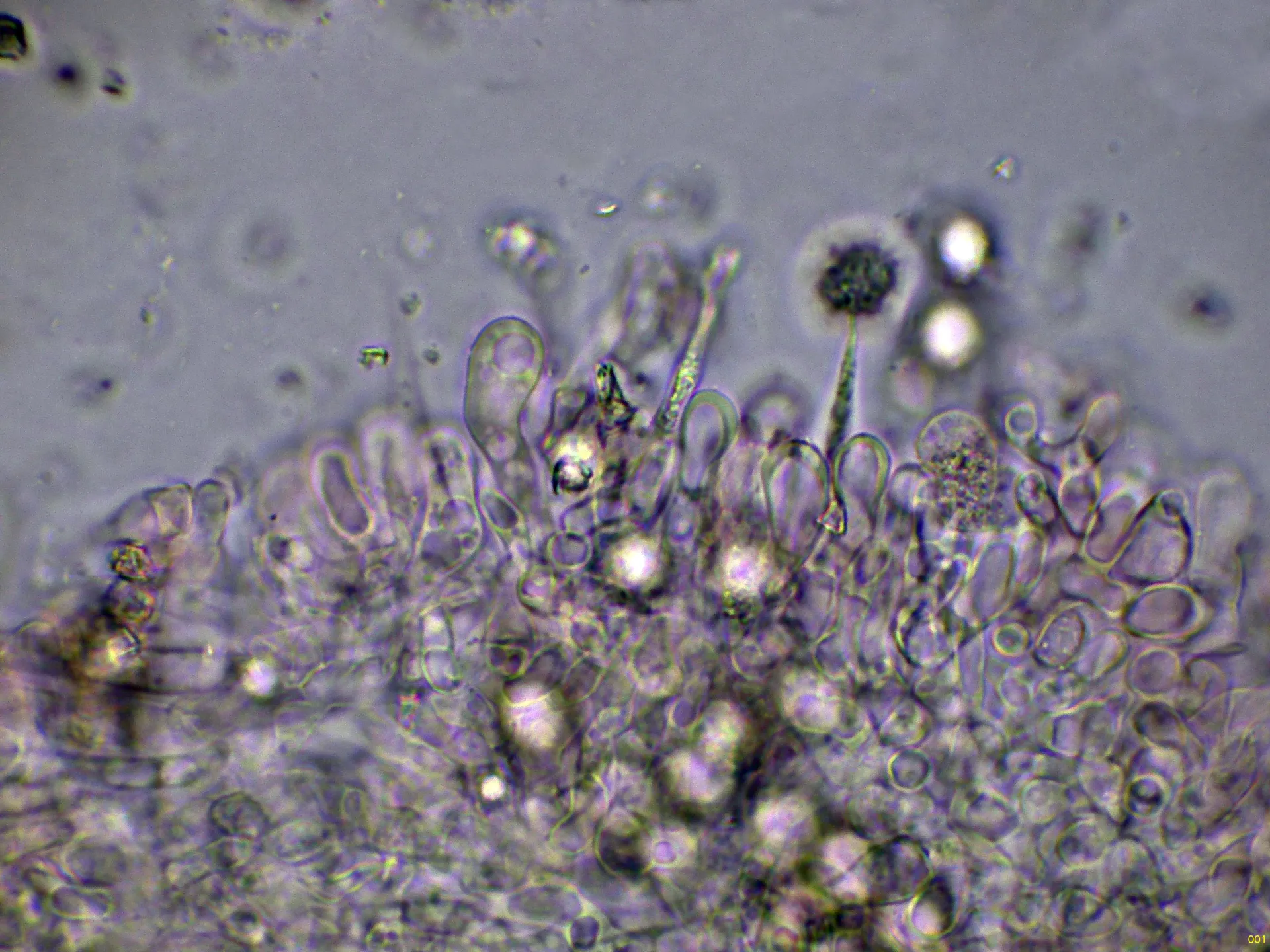
1 / 13Lactarius tabidus - 10 - Queilocistidios-001