


Inocybe romana
Lonati
Study description
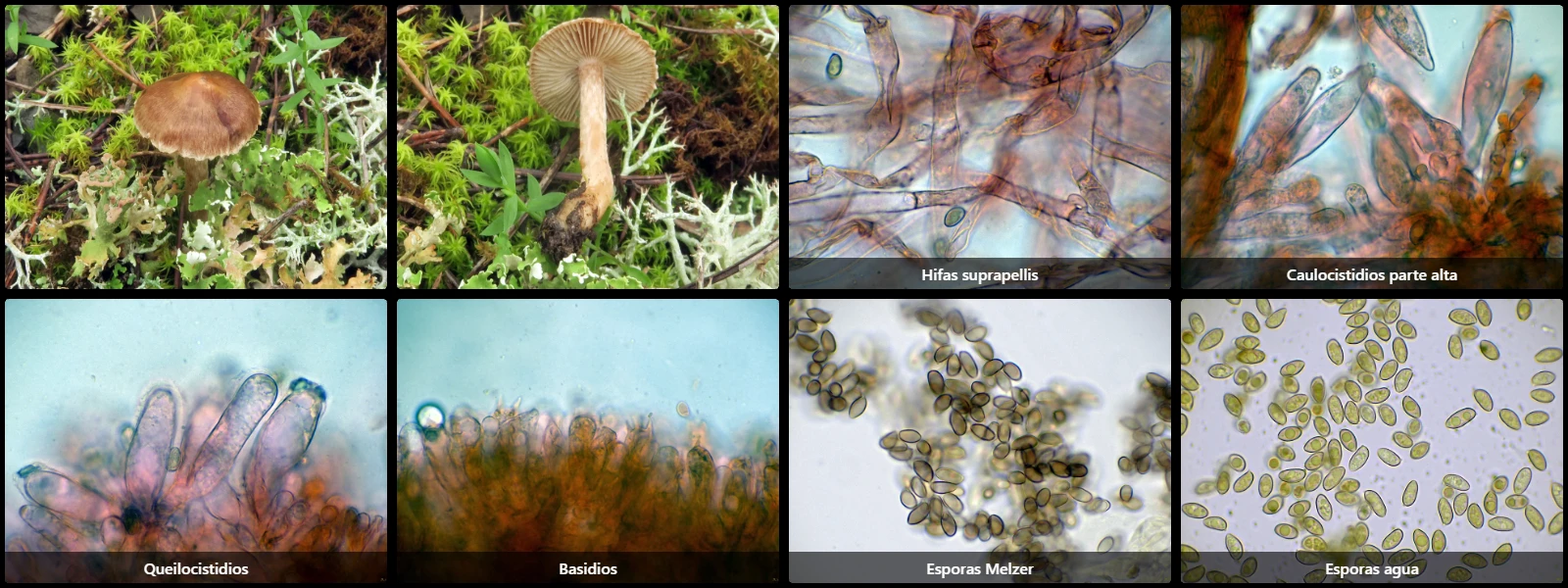
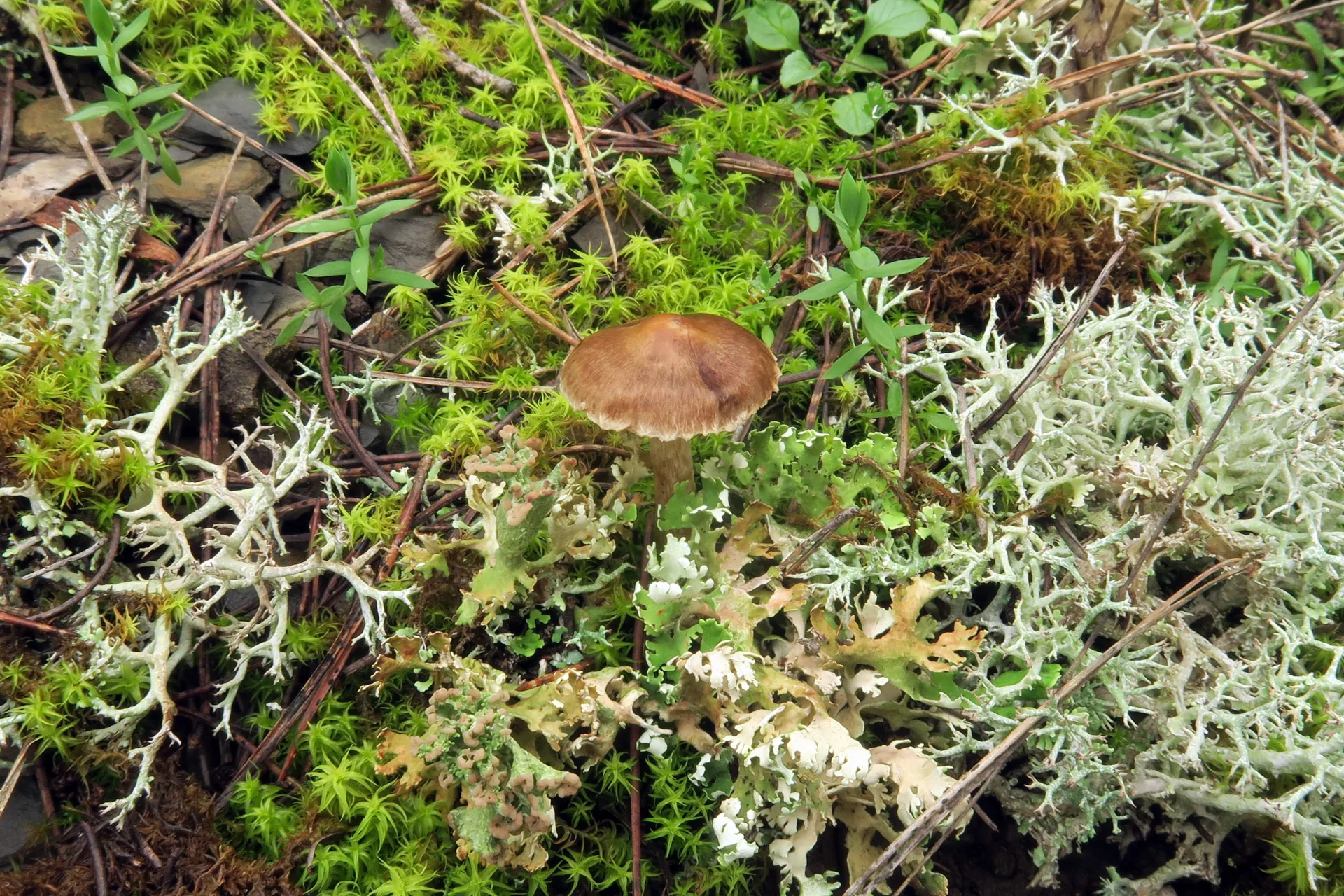
An Inocybe of typically Mediterranean ecology, associated with pines on sandy soils, with a fibrillose cap and caulocystidia restricted to the upper half of the stipe.
Pileipellis composed of hyphae arranged more or less parallelly, 4-10 µm wide, with yellowish-brown intracellular pigment, septate with clamped septa.
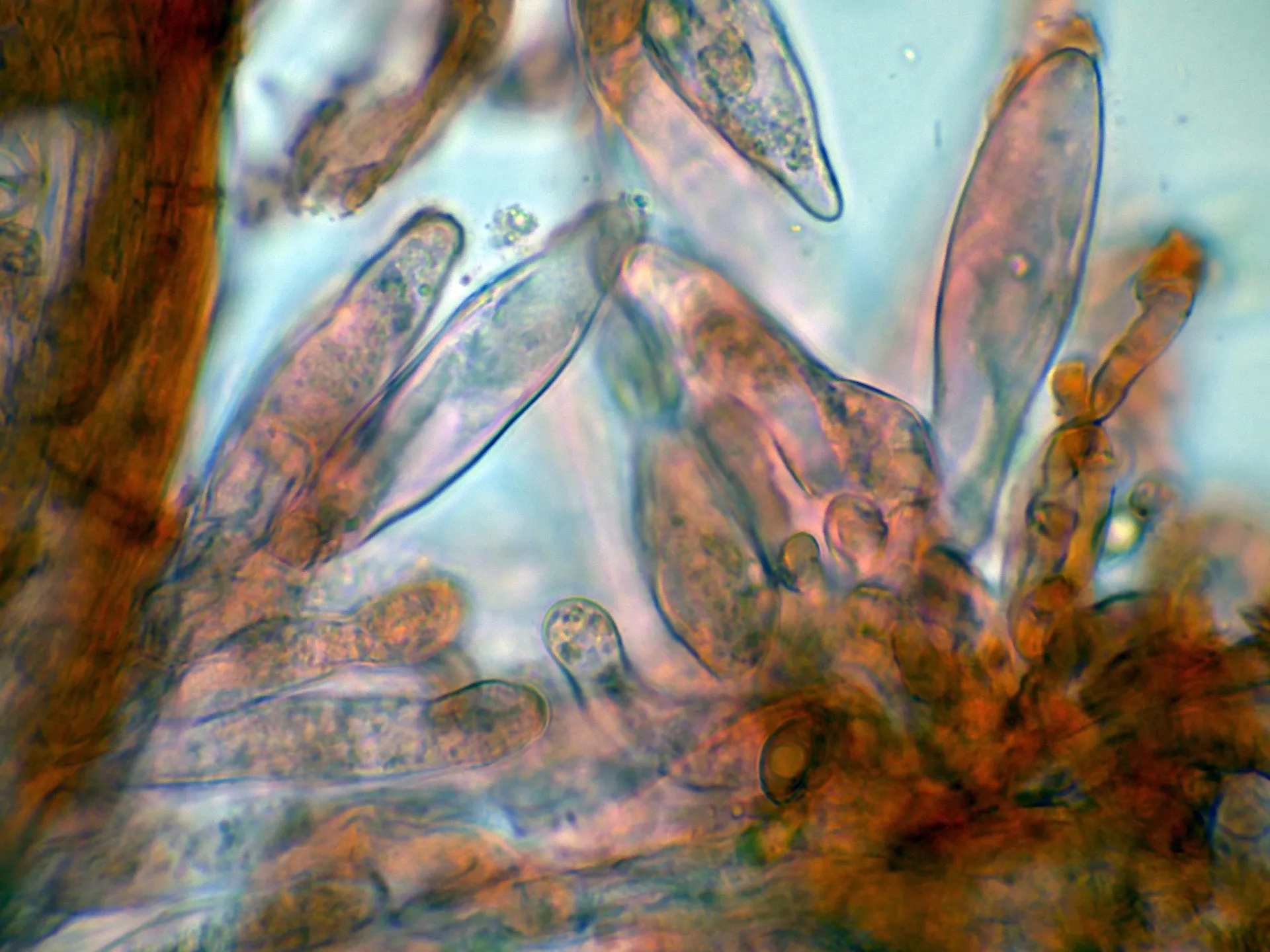
Caulocystidia present only on the upper stipe, cylindrical, sinuous, some subcapitate and thin-walled.
Cheilocystidia and pleurocystidia clavate to utriform, with rounded apices, 40-70 µm long and 11-20 µm wide, thin-walled, notably characterized by a halo-like exudate on their surface, more prominent at the apex.
Basidia clavate, 20-30 µm long and 6-9 µm wide, without basal clamps, 4-spored.
Spores ellipsoidal to subamygdaliform, smooth- and thick-walled, pale yellowish-brown under the microscope, with an eccentric apiculus at one end, containing oil droplets, dextrinoid in Melzer's reagent.
Herbarium material available: JTP2765/26.
Geographic references
Map generated from global occurrence data from GBIF. GBIF.
Study measurements
Values in Microns (µm)Macroscopic gallery
Microscopic gallery
Genetic / Phylogenetic Study
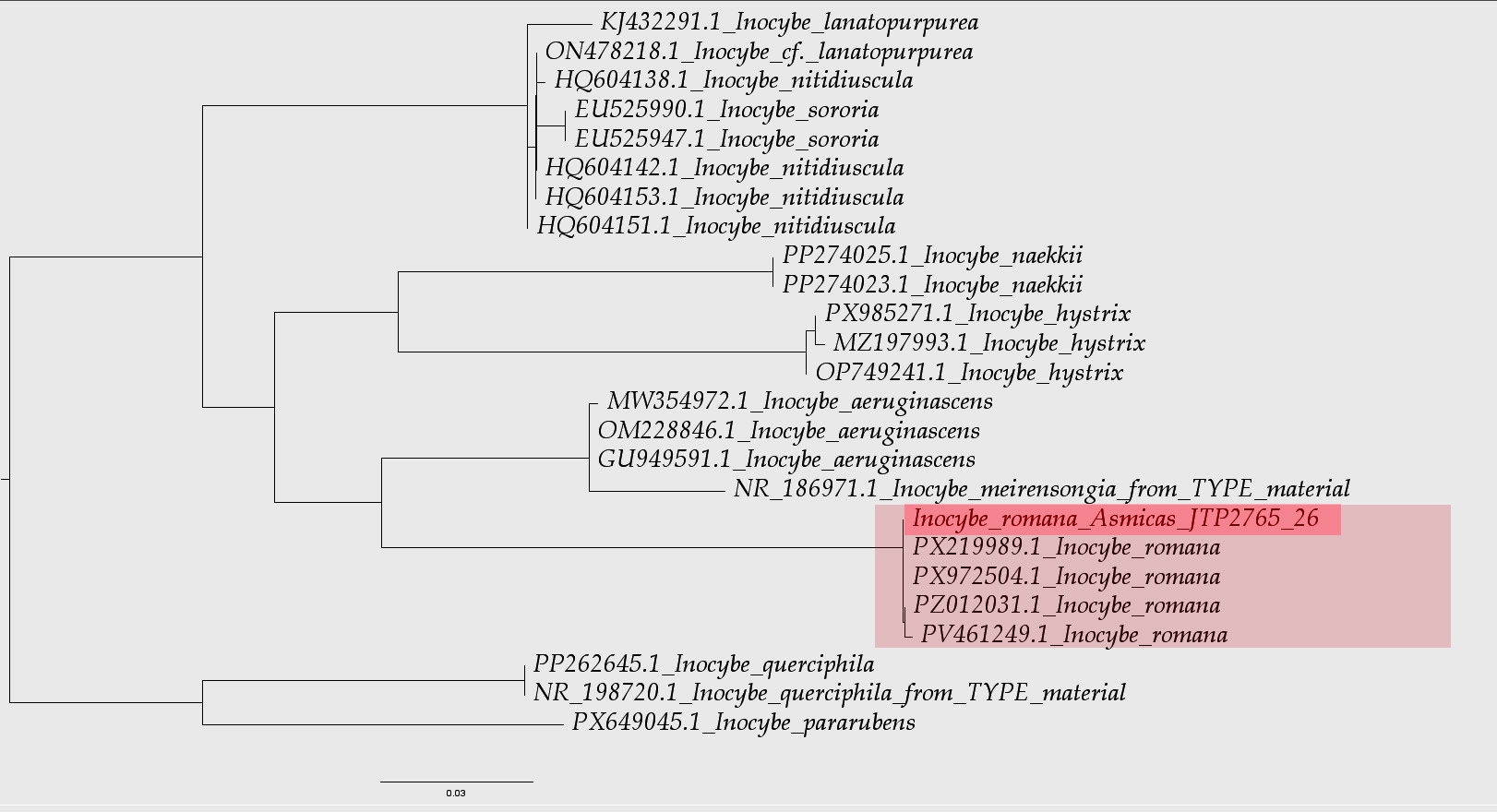
Phylogenetic Tree
Sequences and Data
Sequencing (Chromatogram)
Select a file to visualize the chromatogram