Inocybe langei
R.Heim
Study description
A species associated with deciduous trees, often appearing in parks and gardens, with caulocystidia extending to mid-stipe, and subamygdaliform spores.
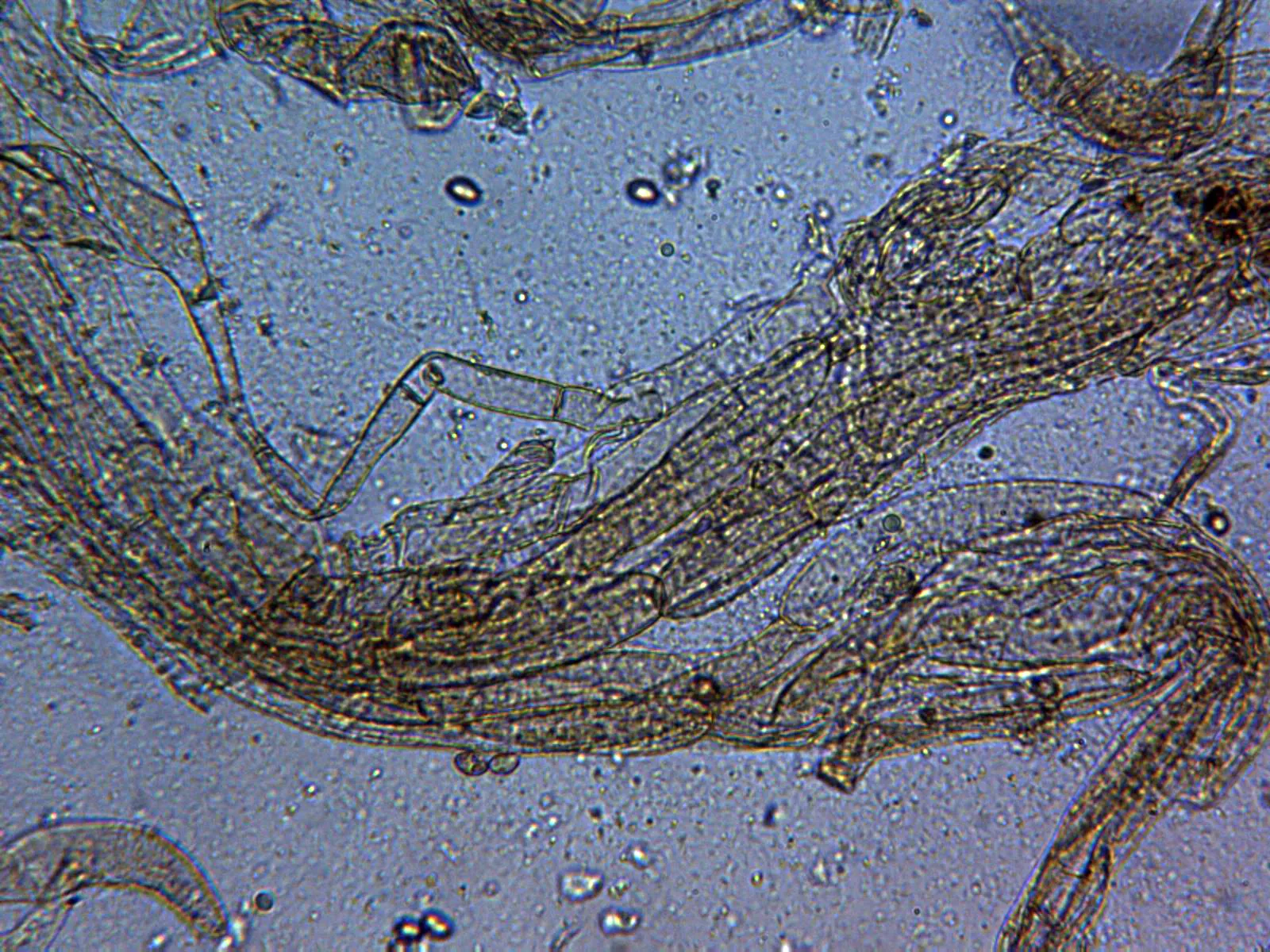
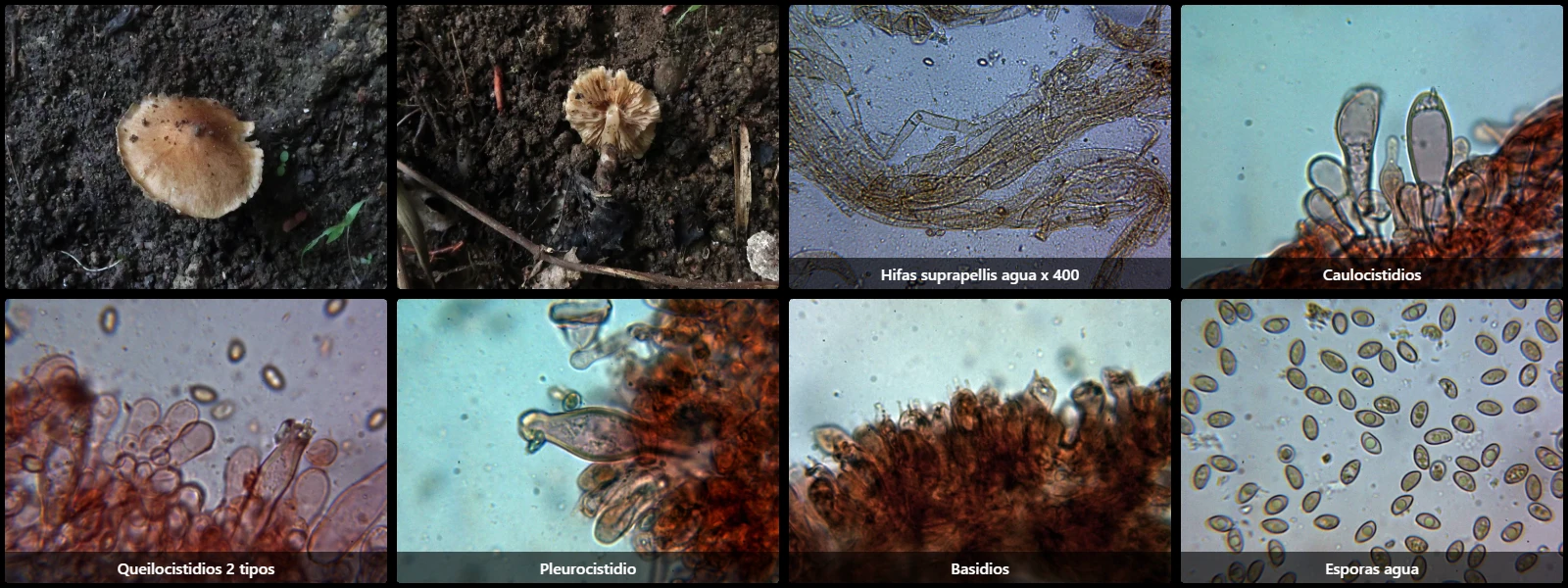
Pileipellis composed of a thin upper layer of parallel hyphae, 3-7 µm wide, with abundant brown intracellular pigment; beneath these lie more hyaline hyphae, up to 20 µm wide, septate and clamped.
Caulocystidia present only on the upper half of the stipe.
Cheilocystidia fusiform, walls up to 2.5 µm thick, with apical crystallizations and faint yellowish internal pigment, intermixed with shorter, smooth, clavate to pyriform paracystidia.
Pleurocystidia virtually identical in morphology and dimensions to cheilocystidia.
Basidia clavate, 20-32 µm long and 7-9 µm wide, with basal clamps, 4-spored.
Spores ellipsoidal to slightly amygdaliform, smooth, thick-walled, yellowish under the microscope, with a lateral apiculus at one end and internal oil droplets.
Geographic references
Map generated from global occurrence data from GBIF. GBIF.
Study measurements
Values in Microns (µm)Macroscopic gallery
Microscopic gallery