Inocybe dulcamara
(Pers.) P.Kumm.
Study description
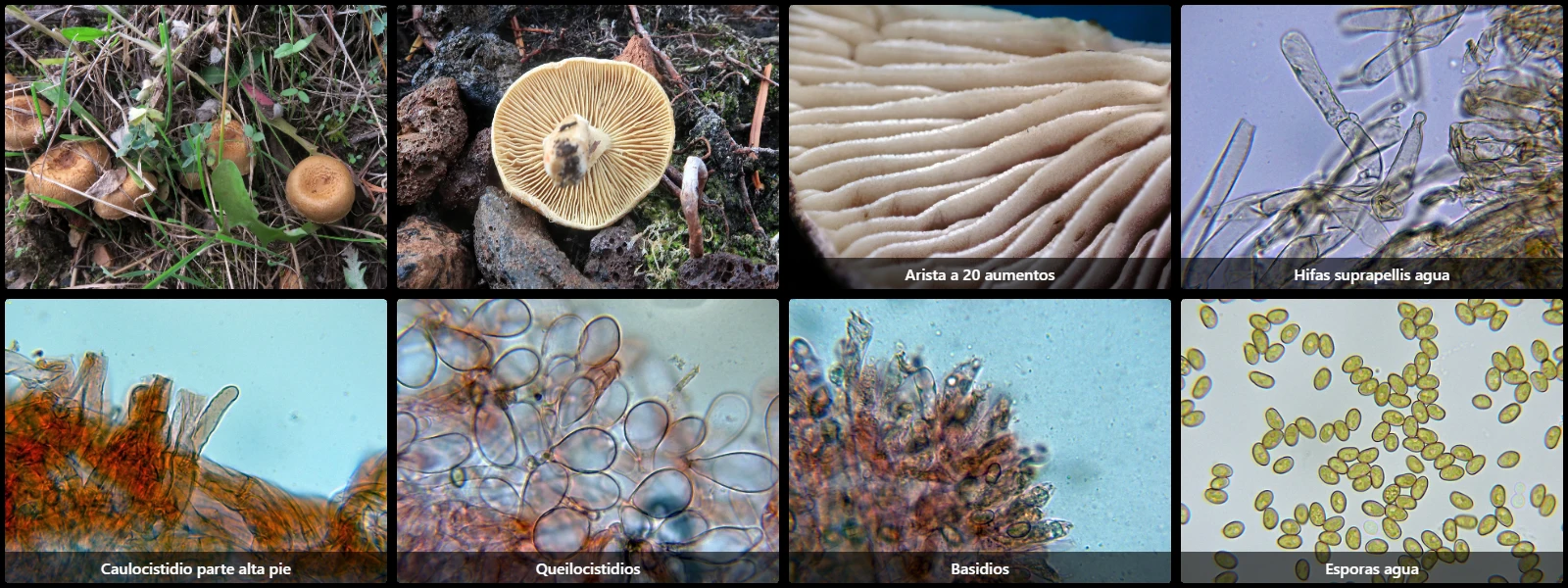
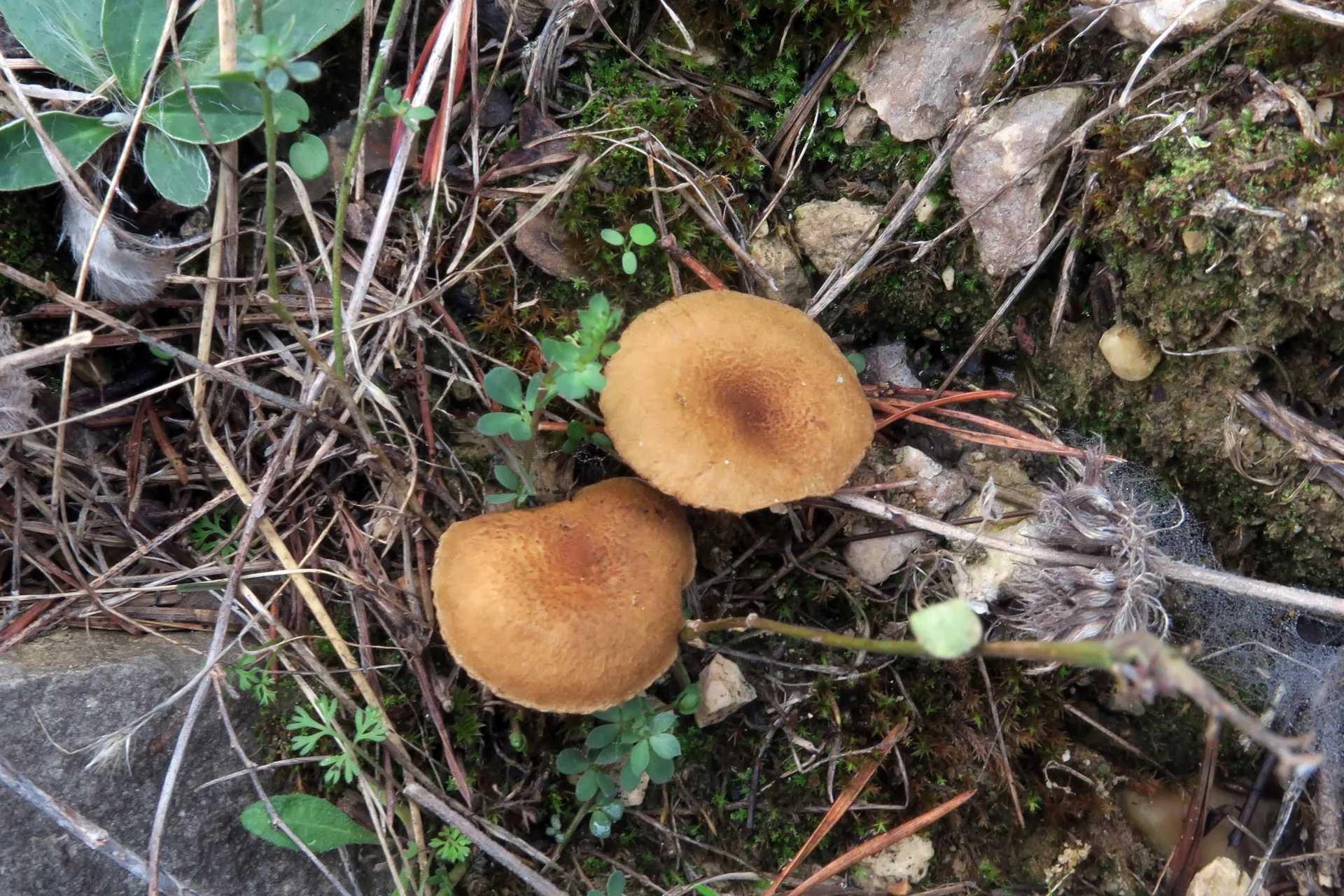
A common species of sandy soils, typically appearing in parks, gardens, and along road verges, with a pale brown scaly cap and caulocystidia restricted to the stipe apex.
Pileipellis composed of parallelly arranged hyphae, 6-12 µm wide, with yellowish-brown intracellular pigment and abundant light brown surface incrustations, septate with clamped septa.
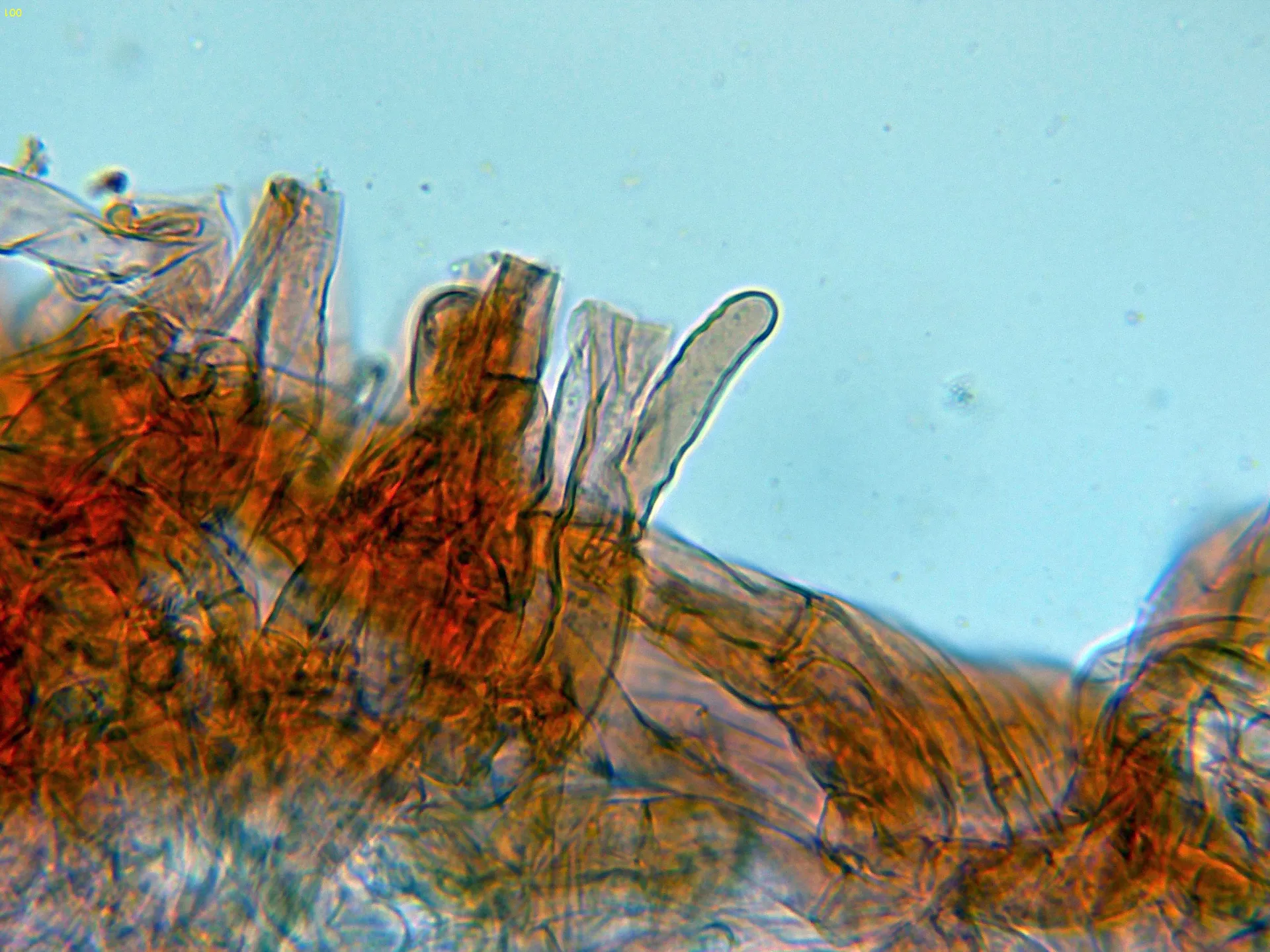
Caulocystidia present only on the stipe apex, cylindrical to slightly sinuous, with rounded apices and basal clamps.
Cheilocystidia clavate, 1-3-septate, the terminal cell 20-45 µm long and 7-17 µm wide, partially clamped at the base (with numerous cheilocystidia having simple septa).
Pleurocystidia absent.
Basidia clavate, 20-30 µm long and 7-9 µm wide, with basal clamps, 4-spored.
Spores ellipsoidal, smooth- and thick-walled, yellowish under the microscope, with an almost imperceptible lateral apiculus at one end and faint internal oil droplets.
Geographic references
Map generated from global occurrence data from GBIF. GBIF.
Study measurements
Values in Microns (µm)Macroscopic gallery
Microscopic gallery